â
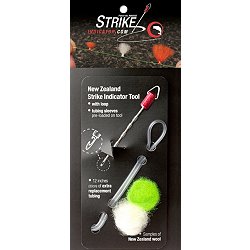
Enhance your fishing experience with our premium selection of indicator tools. Designed for precision and ease of use, these tools help you detect strikes effectively, ensuring you never miss a catch. With a variety of styles and sizes available, you can find the perfect indicator to suit your fishing technique and conditions. Crafted from durable materials, our indicator tools offer reliability and performance on the water. Elevate your angling game and improve your success rate with these essential fishing accessories.
Indicator tools are used in fishing to help anglers detect strikes or bites from fish. These tools float on the water's surface or are attached to the fishing line, providing a visual cue when a fish is interested in the bait. They can enhance the fishing experience by allowing for more precise monitoring of the line, especially in situations where subtle bites may be missed. Many anglers find that using indicator tools improves their overall catch rate by making it easier to respond quickly to fish activity.
Choosing the right indicator tool for your fishing style involves considering the type of water you are fishing in and the species you are targeting. For still water, buoyant indicators may be more effective, while for moving water, you might prefer a more subtle option that can handle current. Additionally, think about the visibility and size of the indicator, as these factors can impact your ability to detect bites. Experimenting with different styles can help you find the best match for your technique and preferences.
Indicator tools are typically constructed from a variety of materials designed to enhance their functionality and durability. Common materials include foam, which provides buoyancy and visibility, as well as plastic and rubber, which offer flexibility and resilience. Some tools may also incorporate lightweight metals for added strength. These materials are chosen to ensure that the indicators perform well in various water conditions while remaining easy to use.
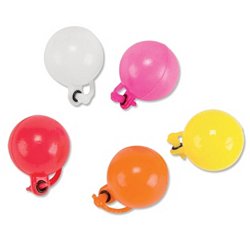
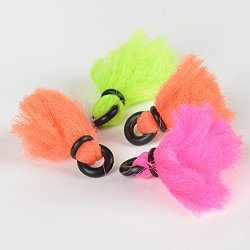
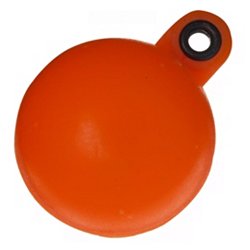
Anglers can choose from various types of indicator tools designed to enhance their fishing experience. Common options include strike indicators that float on the water's surface, allowing anglers to detect bites more easily. There are also weighted indicators that sink to a specific depth, making them suitable for different fishing conditions. Additionally, some indicators are made from materials that provide visibility in various water conditions, ensuring that anglers can monitor their lines effectively.
Indicator tools enhance the fishing experience by providing visual cues that signal when a fish is biting. These tools float on the water's surface, making it easier for anglers to detect subtle movements or changes in tension on the line. By using indicator tools, fishermen can improve their ability to respond quickly to bites, increasing their chances of a successful catch. Additionally, they can help in managing the depth at which bait is presented, allowing for more effective fishing in various conditions.
When selecting an indicator tool for various water conditions, consider the water's clarity, flow rate, and depth. In clear water, a more subtle indicator may be effective, while in murky conditions, a brightly colored or larger indicator can enhance visibility. Additionally, fast-moving water may require a more buoyant indicator to stay afloat, whereas slower currents might allow for lighter options. The type of fishing technique you plan to use can also influence your choice, as some indicators are better suited for specific methods.
Yes, there are indicator tools specifically designed for various types of fishing. Different styles of fishing, such as fly fishing or float fishing, may require unique indicators that cater to the specific techniques and conditions. These tools can vary in size, buoyancy, and visibility, allowing anglers to choose the most suitable option for their fishing environment and target species. Selecting the right indicator can enhance the overall fishing experience by improving bite detection and presentation.
The size of indicator tools can influence their visibility and buoyancy on the water. Larger indicators are often more visible from a distance, making it easier for anglers to track their line. However, smaller indicators may provide a more subtle presentation, which can be beneficial in certain fishing conditions. Ultimately, the choice of size should align with the specific fishing environment and the type of fish being targeted.
When selecting a high-quality indicator tool, consider its visibility and buoyancy, as these features enhance your ability to detect strikes effectively. Look for materials that are durable and resistant to wear, ensuring longevity during use. Additionally, the size and weight of the indicator can impact its performance, so choose one that suits your fishing style and conditions. Finally, ease of attachment and adjustability can provide added convenience while on the water.
Yes, indicator tools can be used in both freshwater and saltwater fishing. They are designed to help anglers detect strikes and monitor the movement of bait or lures in various water conditions. Many indicator tools are versatile and can be effective in different environments, making them suitable for a range of fishing applications. When selecting an indicator tool, consider the specific fishing conditions and species you are targeting.
Continue browsing