â
Discover the best jigs for lingcod fishing, designed to enhance your angling experience. Our selection features durable materials and vibrant colors that attract these powerful fish, ensuring you make the most of your time on the water. With various weights and styles available, you can easily find the perfect jig to match your fishing conditions. Whether you're a seasoned pro or a beginner, these jigs provide the performance and reliability you need for successful catches. Gear up and get ready for an exciting day of lingcod fishing!
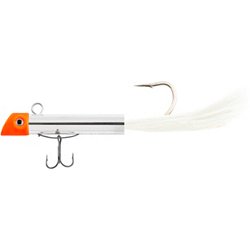
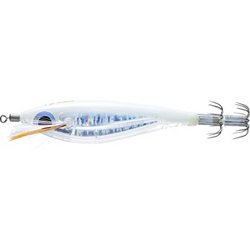
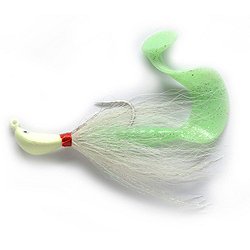
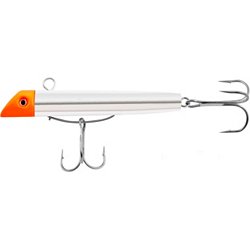
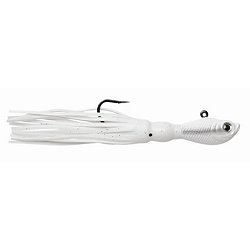
When targeting lingcod, jigs that are heavier and have a strong, durable construction are typically preferred. Look for jigs that mimic the natural prey of lingcod, such as baitfish or squid. Additionally, jigs with vibrant colors and unique designs can help attract attention in deeper waters.
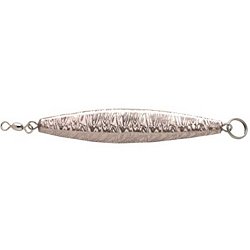
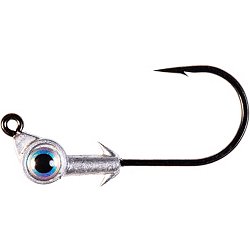
Jigs designed for lingcod fishing are often made from materials like lead, which provides the necessary weight for deep-water fishing. Some jigs may also incorporate durable plastics or rubber for added movement and realism. The combination of these materials helps ensure that the jigs can withstand the harsh conditions often found in saltwater environments.
Choosing the right weight of jig for lingcod fishing depends on the depth of the water and the current conditions. Generally, heavier jigs are more effective in deeper waters or strong currents, while lighter jigs can be used in shallower areas. It's important to match the jig weight to the specific fishing conditions for optimal performance.
Jigs offer several advantages for lingcod fishing, including versatility and effectiveness in various water conditions. They can be fished at different depths and retrieved at various speeds, allowing anglers to adapt their technique. Additionally, jigs can create a more enticing action that mimics injured prey, making them particularly appealing to lingcod.
When using jigs for lingcod, techniques such as vertical jigging or slow-pitch jigging can be highly effective. Anglers often drop the jig to the desired depth and then use a series of sharp lifts and drops to create an erratic motion that attracts fish. Experimenting with different retrieval speeds and patterns can help determine what works best on a given day.
Continue browsing



 (4)
(4)