â
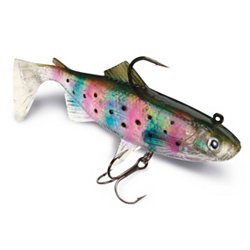
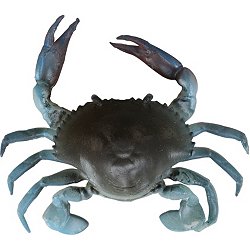
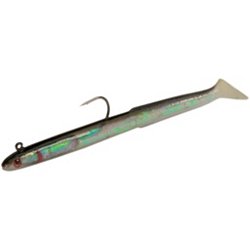
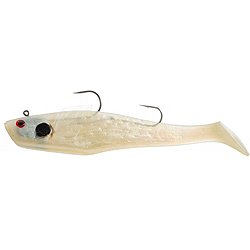
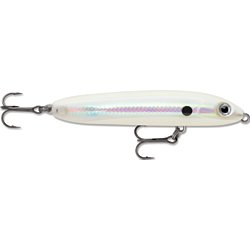
Enhance your fishing experience with our premium selection of predator bait. Designed to attract a variety of game fish, our baits feature lifelike textures and enticing scents that mimic natural prey. From soft baits to specialized rigs, each product is crafted for durability and effectiveness in various fishing conditions. Whether you're targeting freshwater or saltwater species, our predator bait ensures you have the right tools to reel in your next big catch. Equip yourself with the best bait and elevate your fishing game today!
Predator bait is designed to attract a variety of predatory fish species. Common targets include bass, pike, and catfish, as well as saltwater species like snook and redfish. The effectiveness of predator bait often depends on the specific type of fish being pursued and the local fishing conditions. Using the right bait can enhance your chances of a successful catch.
When selecting effective predator bait, consider the size, shape, and scent that will attract the target species. Many baits mimic the natural prey of predators, so look for options that replicate the appearance and movement of these creatures. Additionally, the durability of the bait is important, as it should withstand the rigors of fishing while maintaining its effectiveness. Finally, consider the specific water conditions and species you are targeting, as this can influence the type of bait that will be most successful.
The size of predator bait can play a crucial role in fishing success, as it often needs to match the size of the prey that local fish are targeting. Larger baits may attract bigger predator fish, while smaller baits can be more effective for catching smaller species. Additionally, the size can influence the presentation and movement in the water, which can either entice or deter fish. Understanding the local ecosystem and the feeding habits of the target species can help anglers choose the appropriate bait size for optimal results.
Predator bait is often made from a variety of materials designed to attract fish. Common materials include natural ingredients like fish, shrimp, and other marine life, as well as synthetic compounds that mimic these scents and textures. Additionally, some baits incorporate biodegradable materials to enhance their effectiveness in the water. The choice of materials can vary based on the target species and fishing conditions.
Using predator bait effectively often involves a combination of techniques tailored to the type of fish you are targeting. Many anglers recommend varying your retrieval speed to mimic the natural movement of prey, which can attract predators. Additionally, using a rig that allows the bait to move freely can enhance its appeal. It's also beneficial to consider the water conditions and adjust your approach accordingly, such as fishing in areas with structure or current where predators are likely to be lurking.
Natural predator bait typically consists of live or freshly caught fish, crustaceans, or other marine organisms that are appealing to predatory species. This type of bait often has a strong scent and movement that can attract fish effectively. In contrast, artificial predator bait is made from synthetic materials designed to mimic the appearance and action of natural prey. While artificial options can be more durable and convenient, they may not always replicate the same scent or movement as live bait. Each type has its advantages depending on the fishing conditions and target species.
Water temperature plays a crucial role in determining the activity levels of fish and their feeding habits, which in turn influences the choice of predator bait. In warmer waters, fish tend to be more active and may prefer faster-moving or more vibrant baits that mimic the natural prey they are seeking. Conversely, in cooler temperatures, fish may become less aggressive, making slower, more subtle baits that resemble injured or lethargic prey more effective. Understanding these temperature-related behaviors can help anglers select the most suitable bait for their fishing conditions.
When selecting predator bait, it's important to consider seasonal factors such as water temperature, fish spawning cycles, and local forage availability. In warmer months, predators may be more active and require larger or more vibrant baits that mimic the natural prey in the area. During cooler months, opting for smaller or more subtle baits can be effective, as predators may be less aggressive. Additionally, understanding the specific species you are targeting and their seasonal feeding habits can help in making the right bait choice.
Yes, predator bait can be used in both freshwater and saltwater fishing, depending on the specific type of bait and the species being targeted. Many baits are designed to attract a variety of predatory fish in different environments. It's important to choose the right bait that matches the habitat and the fish species you are aiming to catch for optimal results.
Using predator bait can be advantageous because it is specifically designed to attract larger fish that are carnivorous in nature. This type of bait often mimics the movement and scent of natural prey, making it more appealing to predators. Additionally, predator bait can be effective in various fishing environments, whether in freshwater or saltwater, and can help anglers target specific species more efficiently. Many anglers find that using predator bait increases their chances of a successful catch during their fishing trips.
Continue browsing



 (25)