â
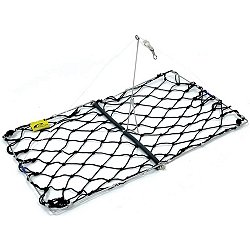
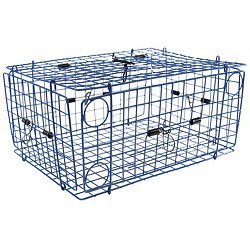
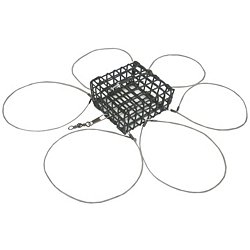
Explore our premium selection of promar crab cages designed for both novice and experienced crabbers. These durable traps feature innovative designs that ensure optimal catch rates while being easy to set up and transport. With options ranging from collapsible pots to hoop nets, you can choose the perfect style for your fishing needs. Crafted from high-quality materials, our crab cages are built to withstand the elements and provide long-lasting performance. Gear up for your next crabbing adventure with reliable equipment that enhances your fishing experience.
 (1)
When selecting a crab cage, consider features such as size, material, and design. A larger cage can accommodate more crabs, while durable materials like coated wire or heavy-duty plastic can withstand harsh marine environments. Look for designs that facilitate easy access for crabs, such as collapsible options or those with top doors. Additionally, ensure the cage has secure entry points to prevent crabs from escaping.
Choosing the right size crab cage depends on several factors, including the type of crabs you are targeting and the area where you will be crabbing. Smaller cages are often suitable for personal use or in shallow waters, while larger cages can accommodate more crabs and are better for deeper waters or commercial use. Consider the size of the crabs in your region and the amount of space you have for storage and transport when making your decision. Additionally, think about the ease of use and whether you prefer a collapsible design for convenience.
Crab cages are typically made from materials such as galvanized steel, nylon mesh, and polyethylene. Galvanized steel provides strength and resistance to rust, enhancing the cage's longevity in saltwater environments. Nylon mesh is lightweight and allows for easy trapping while maintaining durability, while polyethylene is often used for its resistance to UV rays and impact, ensuring the cage can withstand harsh outdoor conditions. The choice of materials directly influences the cage's overall durability and effectiveness in trapping crabs.
Yes, certain designs of crab cages are more effective for specific types of crabs. For instance, traps with larger openings may be better suited for larger species, while collapsible designs can be advantageous for easy storage and transport. Additionally, some traps are designed to attract specific crab species through the use of bait compartments or unique shapes. Understanding the behavior and habitat of the target crab species can help in selecting the most appropriate trap design.
To set up a crab cage for optimal catch, start by selecting a location known for crab activity, such as near structures, estuaries, or tidal areas. Bait the cage with fresh, oily options like fish or chicken, and secure it properly to prevent loss. Ensure the cage is submerged at the right depth, typically between 5 to 15 feet, and check local regulations regarding trap placement and retrieval times. Finally, allow the trap to sit for several hours to maximize your chances of attracting crabs.
Seasonal changes can significantly affect the effectiveness of crab cages due to variations in water temperature, salinity, and crab behavior. During warmer months, crabs are generally more active and may be found in shallower waters, making traps more effective. In contrast, colder months can lead to decreased crab activity and movement to deeper waters, which may require adjustments in trap placement and depth. Additionally, seasonal changes in food availability can influence crab feeding patterns, impacting how well traps attract them.
Collapsible crab cages offer several advantages for crab fishing. Their design allows for easy storage and transport, making them convenient for anglers who may have limited space. Additionally, when deployed, they provide ample room for crabs to enter while being easy to retrieve. Many collapsible options are also lightweight, which can enhance mobility and ease of use during fishing trips.
To ensure your crab cage is safe and secure while in use, start by checking that all components are intact and functioning properly, including any doors or openings. Make sure the cage is properly weighted to prevent it from floating or being displaced by currents. Additionally, secure the cage to your boat or dock with a sturdy line to prevent it from drifting away. Regularly inspect the cage during use to address any issues that may arise.
Crab cages come in various styles, each designed for specific fishing conditions and preferences. Some are collapsible for easy storage and transport, while others feature rigid frames for durability. The size and shape can vary, affecting the type of crabs they attract and the amount of catch. Additionally, some designs include features like top doors for easy access, enhancing usability during crabbing trips.
Crab cages are typically designed for use in saltwater environments, as many crab species thrive in these conditions. However, some cages can also be used in freshwater, depending on the type of crabs you are targeting. It's important to check the specific design and materials of the cage to ensure it is suitable for the intended water type. Always consider local regulations regarding crab trapping in both saltwater and freshwater areas.
Continue browsing