â
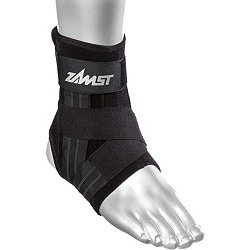
Protect your ankles while shredding the slopes with our selection of snowboarding ankle braces. Designed for optimal support and stability, these braces help prevent injuries and enhance your performance on the board. Featuring adjustable straps and breathable materials, they ensure a comfortable fit for all-day wear. Lightweight and durable, our ankle braces provide the perfect balance of flexibility and protection, allowing you to focus on your ride. Gear up with confidence and enjoy your snowboarding adventures with the added support you need.
When selecting a snowboarding ankle brace, consider features such as adjustable straps for a customized fit, which can enhance support and stability. Look for materials that offer both flexibility and durability, allowing for comfortable movement while providing necessary protection. Additionally, consider the level of compression the brace offers, as this can help with support during activities. Finally, ensure the design allows for easy wear with snowboarding boots to maintain comfort on the slopes.
To determine the right size for a snowboarding ankle brace, start by measuring the circumference of your ankle at its narrowest point, typically just above the ankle bone. Compare your measurement to the sizing chart provided by the manufacturer, as sizes can vary between brands. It's also helpful to consider the type of fit you prefer, whether snug or more relaxed, to ensure comfort while snowboarding.
Snowboarding ankle braces are typically made from a combination of materials designed for support and comfort. Common materials include neoprene, which provides flexibility and warmth, and nylon or polyester for durability and breathability. Some braces may also incorporate rigid plastic or metal components to enhance stability and prevent excessive movement. These materials work together to offer a balance of protection and mobility while snowboarding.
A snowboarding ankle brace is designed to provide support and stability to the ankle during snowboarding activities. While it may help enhance stability and reduce the risk of certain types of injuries, it is important to remember that no brace can guarantee complete injury prevention. Many riders choose to use ankle braces to feel more secure and confident while navigating challenging terrain.
Different styles of snowboarding ankle braces offer varying levels of support and flexibility to accommodate individual needs. Some braces are designed for maximum stability, featuring rigid structures that limit movement, while others provide a more flexible fit, allowing for greater range of motion. Additionally, certain styles may focus on compression and support, using materials that help reduce swelling and enhance comfort. Choosing the right style depends on your specific requirements, such as the level of support needed and personal comfort preferences.
Snowboarding ankle braces can enhance performance on the slopes by providing additional support and stability to the ankle joint. This support helps maintain proper alignment during turns and jumps, allowing for more controlled movements. Many braces are designed to be lightweight and flexible, ensuring they do not hinder mobility while still offering the necessary protection. Additionally, they can help reduce fatigue by minimizing strain on the ankle during prolonged use.
Yes, there are ankle braces designed to cater to various snowboarding skill levels. Beginners may benefit from braces that offer more support and stability, helping them gain confidence on the slopes. Intermediate and advanced riders might prefer braces that provide a balance of support and flexibility, allowing for greater range of motion while still protecting the ankle. It's important to choose an ankle brace that aligns with your skill level and riding style for optimal performance.
Using an ankle brace while snowboarding can provide additional support and stability to the ankle, which is crucial for maintaining balance on the board. It can help reduce the risk of strains and sprains by limiting excessive movement during falls or sudden shifts in weight. Many snowboarders find that wearing an ankle brace enhances their confidence on the slopes, allowing them to focus more on their performance rather than worrying about potential injuries. Additionally, some braces may offer compression, which can help with comfort during long sessions on the mountain.
If you experience discomfort or instability in your ankle while snowboarding, an ankle brace may be beneficial. Many riders choose to use an ankle brace for added support, especially if they have a history of ankle injuries or are prone to rolling their ankles. Additionally, if you are new to snowboarding and want extra confidence while learning, an ankle brace can provide reassurance. Ultimately, it's important to assess your comfort level and any previous injuries when deciding if an ankle brace is right for you.
When choosing an ankle brace for snowboarding, consider the level of support and stability you need based on your skill level and riding style. Look for materials that offer a balance of flexibility and rigidity to allow for movement while providing adequate protection. Additionally, ensure the brace fits comfortably within your snowboard boots and does not restrict circulation. Finally, consider the weight and breathability of the brace, as these factors can impact your overall comfort on the slopes.
Continue browsing