â
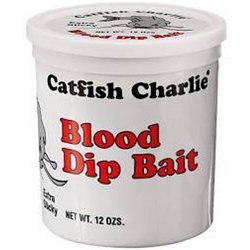
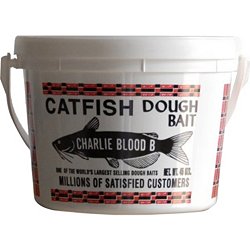
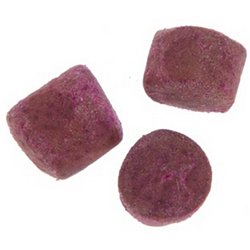
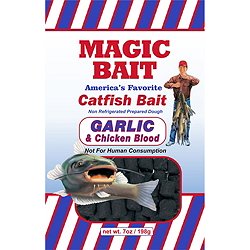
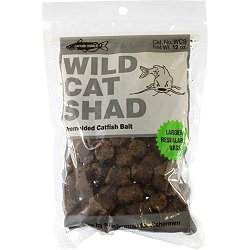
Discover the ultimate sticky bait selection designed to attract catfish and enhance your fishing experience. Our sticky baits feature a rich, enticing formula that clings to hooks for longer-lasting effectiveness, ensuring you maximize your time on the water. With a variety of flavors and textures, these baits are crafted to appeal to catfish, making them irresistible. Perfect for both novice and experienced anglers, our sticky bait options provide the perfect solution for successful fishing trips. Elevate your catch rate and enjoy a more productive day on the water with our premium sticky baits.
Sticky bait refers to a type of fishing bait that has a thick, adhesive consistency, making it ideal for attracting fish. It is often used for catfishing, as it can easily adhere to hooks or bait holders, allowing for longer-lasting presentations in the water. Anglers typically apply sticky bait to hooks and cast it into areas where catfish are known to feed, enhancing the chances of a successful catch. This type of bait is designed to release scent and flavor over time, drawing fish in from a distance.
Sticky bait is commonly used to attract various species of fish, particularly catfish. The texture and scent of sticky bait make it appealing to fish that rely on their sense of smell to locate food. Many anglers find that this type of bait is effective in both freshwater and some saltwater environments, enhancing their chances of a successful catch.
Sticky bait offers several advantages for anglers targeting specific fish species. Its adhesive texture allows it to stay on hooks longer, reducing the need for frequent re-baiting and increasing the chances of attracting fish. Additionally, the strong scent and flavor profile of sticky bait can effectively lure fish, making it a popular choice for those seeking a reliable option for various fishing conditions. This type of bait is particularly useful in situations where fish are less active or when fishing in areas with strong currents.
When choosing the right sticky bait for your fishing needs, consider the type of fish you are targeting and the fishing environment. Different sticky baits are formulated to attract specific species, so it's important to select one that aligns with your fishing goals. Additionally, think about the water conditions, such as temperature and clarity, as these factors can influence bait effectiveness. Experimenting with various scents and textures can also help you determine what works best in your local fishing spots.
Sticky bait often contains a combination of natural and synthetic ingredients designed to attract fish. Common components include fish oils, proteins, and various flavorings that enhance its appeal. Additionally, some sticky baits may incorporate dough or paste-like substances to create a texture that adheres well to hooks. These ingredients work together to create an enticing scent and taste for catfish and other species.
Sticky bait is primarily designed for freshwater fishing, particularly for species like catfish. Its formulation and texture make it effective in attracting fish in lakes, rivers, and ponds. While some anglers may experiment with sticky bait in saltwater environments, it is generally not recommended due to differences in water conditions and fish behavior. For saltwater fishing, it is advisable to use baits specifically designed for that environment.
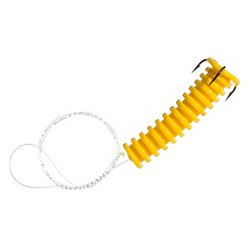
When applying sticky bait, it's important to ensure that the bait adheres well to your hook or rig. Start by using a generous amount of bait, pressing it firmly onto the hook to create a secure attachment. You can also mold the bait into a shape that matches the local forage to increase its effectiveness. Additionally, consider using a bait holder or a specialized rig to help keep the sticky bait in place while fishing.
The texture of sticky bait plays a crucial role in its effectiveness by allowing it to adhere to hooks and stay on longer during casting. A sticky or dough-like consistency can help the bait release scent and flavor gradually into the water, attracting fish over time. This texture also makes it easier for fish to consume, increasing the chances of a successful catch. Overall, the right texture can enhance the bait's performance in various fishing conditions.
Sticky bait can be effective throughout the year, but its performance may vary with the seasons. In warmer months, fish are generally more active and may be more attracted to the scent and texture of sticky bait. During cooler seasons, fish may be less active, so using sticky bait in deeper waters or during warmer parts of the day can yield better results. It's important to consider local fishing conditions and fish behavior when determining the best times to use sticky bait.
When storing sticky bait for future use, it's important to keep it in a cool, dry place to maintain its consistency and effectiveness. Ensure that the bait is sealed tightly in its original container or an airtight alternative to prevent it from drying out or absorbing unwanted odors. Additionally, check for any specific storage instructions on the packaging, as different types of sticky bait may have unique requirements. Regularly inspect the bait for any signs of spoilage before use.
Continue browsing