â
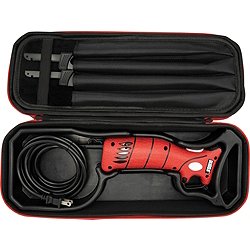
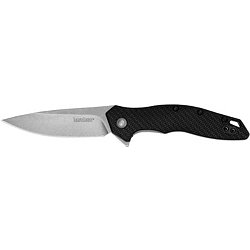
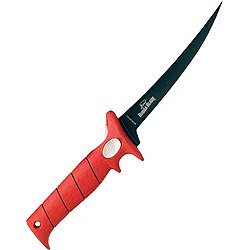
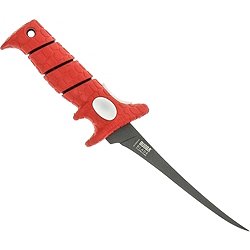
Explore our premium collection of stiff blades, designed for precision and durability in every cut. Ideal for filleting and preparing your catch, these blades feature ergonomic handles for a comfortable grip and enhanced control. Crafted from high-quality materials, they ensure long-lasting performance and sharpness, making your fishing experience seamless. Whether you prefer electric or cordless options, our stiff blades provide the power and efficiency you need for effortless filleting. Upgrade your fishing gear with tools that deliver exceptional results every time.
A stiff blade is a type of knife blade that maintains rigidity and does not flex easily during use. This design is particularly advantageous for tasks that require precision and control, such as filleting fish or cutting through tougher materials. The stiffness allows for cleaner cuts and better handling, making it easier to achieve desired results without the blade bending or losing its edge. Many users appreciate stiff blades for their durability and effectiveness in various cutting applications.
A stiff blade is most effective in situations that require precision and control, such as filleting larger fish or cutting through tougher materials. The rigidity of the blade allows for clean, straight cuts, making it easier to navigate around bones and skin. This type of blade is particularly useful for tasks that demand a firm grip and stability, ensuring that the user can apply the necessary force without bending the blade. Additionally, stiff blades are often preferred for tasks that involve heavy-duty cutting or slicing.
A stiff blade is designed for tasks that require more control and precision, making it ideal for cutting through tougher materials or larger fish. In contrast, a flexible blade offers more bend, which allows for easier maneuvering around bones and contours, making it suitable for delicate filleting. The choice between a stiff and flexible blade often depends on the specific cutting task and personal preference. Many users find that having both types on hand can enhance their overall efficiency in the kitchen or during outdoor activities.
Stiff blades are typically made from high-carbon stainless steel, which offers durability and resistance to corrosion. Some may also incorporate materials like titanium for added strength and lightweight properties. The handle materials can vary, often including rubber or textured polymers for a secure grip during use. These materials work together to enhance the performance and longevity of the blade.
A stiff blade is ideal for tasks that require precision and control, such as filleting fish or cutting through tougher meats. Its rigidity allows for clean, straight cuts, making it effective for tasks that involve slicing or trimming. Additionally, a stiff blade can provide the necessary leverage for tasks that require more force, such as breaking down larger cuts of meat. Overall, it is well-suited for both culinary and outdoor applications where durability and strength are essential.
When selecting a high-quality stiff blade, consider the material and construction, as these factors contribute to durability and performance. Look for blades made from high-carbon stainless steel, which offers a good balance of strength and corrosion resistance. Additionally, a well-designed handle that provides a secure grip is important for control during use. Finally, the blade's thickness and taper can affect its rigidity and cutting efficiency, so choose one that suits your specific needs.
When choosing the right size of a stiff blade, consider the type of fish you plan to catch and the specific tasks you will be performing. A longer blade is typically better for larger fish and filleting, while a shorter blade offers more control for smaller fish and detailed work. Additionally, think about your personal comfort and handling preferences, as a blade that feels good in your hand will enhance your overall experience.
Stiff blades are commonly used in fishing and outdoor activities for tasks that require precision and control, such as filleting fish or preparing game. Their rigidity allows for clean cuts through tougher materials, making them ideal for slicing through skin and bones. Additionally, stiff blades can be beneficial for tasks like trimming and cutting through dense vegetation or materials encountered during outdoor adventures. Many outdoor enthusiasts appreciate the durability and strength that stiff blades provide in various cutting scenarios.
The design of a stiff blade enhances performance by providing greater control and precision during cutting tasks. This rigidity allows for cleaner, more accurate cuts, making it particularly effective for tasks that require a firm hand, such as filleting fish or preparing meat. Additionally, a stiff blade can maintain its edge longer, reducing the need for frequent sharpening. Overall, the design contributes to efficiency and effectiveness in various cutting applications.
To maintain a stiff blade in good condition, regular cleaning is essential. After each use, rinse the blade with warm water and mild soap to remove any residue, then dry it thoroughly to prevent rust. It's also important to periodically sharpen the blade to ensure it remains effective, using a suitable sharpening tool. Additionally, storing the blade in a protective sheath or case can help prevent damage and maintain its integrity over time.
Continue browsing