â
Discover the perfect tent for travel, designed to enhance your outdoor adventures. Our collection features versatile options suitable for everything from solo backpacking trips to family camping excursions. With easy setup, durable materials, and weather-resistant designs, these tents ensure a comfortable and reliable shelter wherever you go. Lightweight and portable, they are ideal for travelers seeking convenience without sacrificing quality. Explore our range and find the ideal tent to make your next journey unforgettable.
When choosing a tent for travel, consider the size and capacity to ensure it accommodates the number of occupants comfortably. Look for lightweight and compact designs that are easy to transport and set up, especially if you plan to hike or move frequently. Additionally, evaluate the weather resistance and durability of the materials to ensure it can withstand various conditions. Finally, think about the intended use, whether for car camping or backpacking, as this will influence the type of tent that best suits your needs.
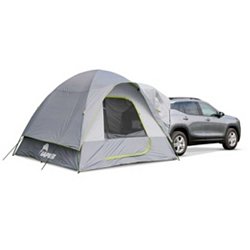
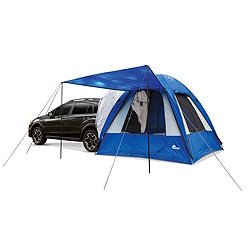
There are several types of travel tents designed to accommodate various needs and preferences. SUV and truck tents are popular for those who want to camp directly from their vehicle, providing added convenience and protection from the elements. Backpacking tents are lightweight and compact, making them ideal for hikers and travelers who prioritize portability. Additionally, there are family-sized tents that offer more space for group camping, ensuring comfort during outdoor adventures.
To determine the right size tent for your travel needs, consider the number of people who will be using it and the amount of gear you plan to store inside. Tents are typically categorized by their capacity, so look for options that accommodate your group size comfortably. Additionally, think about the type of travel you will be doing; for instance, if you are backpacking, a lightweight and compact design may be more suitable. Lastly, consider the weather conditions you might encounter, as this can influence the size and type of tent you choose.
Travel tents are typically made from materials such as polyester, nylon, and ripstop fabrics, which are chosen for their lightweight and durable properties. Polyester is often used for the tent body and rainfly due to its resistance to UV damage and water, while nylon is favored for its strength and lightweight characteristics. Additionally, many travel tents feature waterproof coatings and reinforced seams to enhance durability and protect against the elements. The choice of materials directly impacts the tent's longevity, weight, and overall performance in various weather conditions.
When selecting a travel tent for various climates, consider features such as waterproofing and ventilation. For wet or humid conditions, a tent with a high waterproof rating and sealed seams is essential to keep you dry. In warmer climates, look for tents with mesh panels for airflow and shade options to protect against direct sunlight. Additionally, consider the tent's insulation properties for colder environments to ensure comfort during chilly nights.
To ensure your travel tent is easy to set up and take down, look for features such as color-coded poles and clips that simplify the assembly process. Opt for tents with a pop-up or instant setup design, which can significantly reduce the time and effort required. Additionally, practice setting up the tent at home before your trip to familiarize yourself with the process. Finally, consider the weight and packed size of the tent for easier transport and handling.
Backpacking tents are designed to be lightweight and compact, making them easier to carry on long hikes or trips where space is limited. They typically feature a streamlined design that allows for quick setup and takedown, which is ideal for travelers who may need to move frequently. In contrast, traditional travel tents often offer more space and comfort, making them suitable for car camping or family outings. Ultimately, the choice between the two depends on your travel style and the specific needs of your adventure.
To maximize comfort while using a travel tent, consider selecting a tent that offers adequate space for you and your gear. Use a sleeping pad or air mattress to create a cushioned sleeping surface, and bring along sleeping bags that are appropriate for the weather conditions. Additionally, ensure proper ventilation by opening windows or vents to reduce condensation and maintain airflow. Finally, organizing your gear inside the tent can help create a more comfortable and clutter-free environment.
To maintain a travel tent during trips, start by setting it up on a clean, dry surface to avoid dirt and moisture accumulation. Regularly check for any signs of wear or damage, such as tears or broken zippers, and address these issues promptly to prevent further deterioration. After use, ensure the tent is thoroughly dried before packing it away to prevent mold and mildew growth. Finally, store the tent in a cool, dry place when not in use to prolong its lifespan.
When considering a travel tent for seasonal use, it's important to evaluate the tent's weather resistance and insulation properties to ensure it can handle varying temperatures and conditions. Look for features such as waterproof materials and ventilation options to manage moisture and condensation. Additionally, consider the tent's size and weight for ease of transport, as well as its setup complexity, especially if you plan to use it frequently in different locations. Finally, think about the tent's durability and how it will hold up against the elements over time.
Continue browsing



 (1)