â
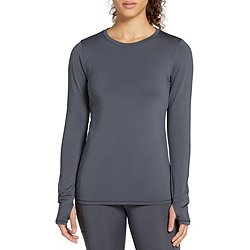
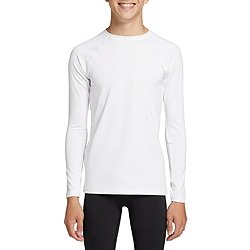
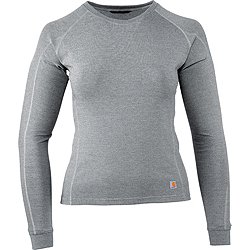
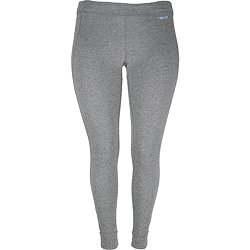
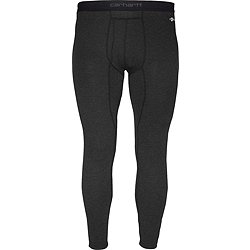
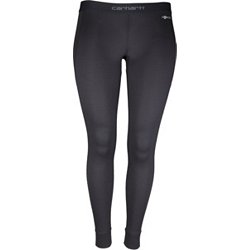
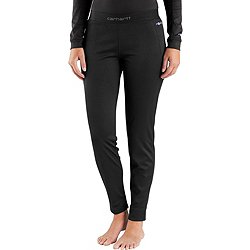
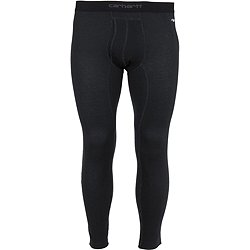
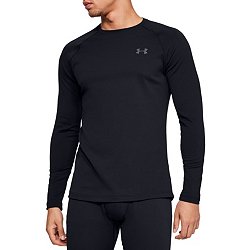
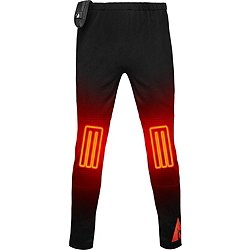
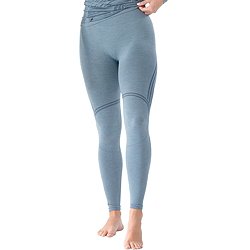
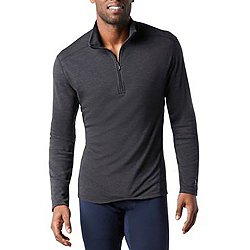
Stay warm and comfortable during your outdoor adventures with our thermal baselayer collection. Designed to provide optimal insulation and moisture-wicking properties, these layers are perfect for cold weather activities. Crafted from lightweight, breathable materials, they ensure a snug fit that moves with you, keeping you dry and cozy. Ideal for layering under your favorite gear, our thermal baselayers are essential for any winter wardrobe. Embrace the elements and enjoy your outdoor pursuits with confidence and style.
A thermal baselayer is designed to provide insulation and moisture management, making it ideal for cold weather activities. It works by trapping body heat while wicking away sweat, ensuring you stay warm and dry. These layers are typically made from materials like merino wool or synthetic fibers, which enhance their thermal properties and comfort.
Thermal baselayers are versatile and suitable for a variety of activities, including skiing, snowboarding, hiking, and other outdoor sports in cold conditions. They can also be worn during everyday activities in chilly weather to provide extra warmth. Their moisture-wicking properties make them particularly beneficial for high-intensity activities.
Thermal baselayers are often made from materials such as merino wool, polyester, and nylon blends. Merino wool is favored for its natural insulation and breathability, while synthetic materials offer durability and quick-drying capabilities. The choice of material can affect the baselayer's warmth, weight, and comfort.
When selecting a thermal baselayer, consider the climate and the type of activities you will be doing. Look for features like moisture-wicking capabilities, fit, and insulation level. Additionally, think about the layering system you plan to use, as a good baselayer should complement your outer layers for optimal performance.
Lightweight thermal baselayers are designed for milder conditions and high-intensity activities, providing breathability and moisture management without excessive bulk. Heavyweight baselayers, on the other hand, offer more insulation and are better suited for extremely cold environments or low-intensity activities where warmth is a priority. Choosing between them depends on your specific needs and the weather conditions.
Continue browsing



 (11)
(11)