â
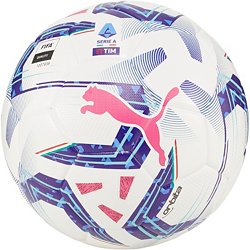
Gear up for competition with our premium selection of tournament balls, designed for serious athletes and enthusiasts alike. Each ball is crafted for optimal performance, ensuring durability and consistency across various sports. From baseball and basketball to tennis and soccer, our collection meets official tournament standards, providing the reliability you need during critical matches. Experience superior grip, bounce, and control with every play, making these tournament balls the perfect choice for your next game. Elevate your performance and dominate the field with our high-quality options.
When selecting a tournament ball, consider the material and construction, as these factors influence durability and performance. Look for balls that are designed for specific sports, as they often have features tailored to the demands of competitive play. Additionally, check for certification or approval by relevant sports organizations, which can indicate that the ball meets specific standards for quality and performance. Finally, consider the ball's grip and feel, as these can impact control and handling during play.
Yes, there are different types of tournament balls designed for various sports, each tailored to meet the specific requirements of the game. For example, baseballs, tennis balls, footballs, and volleyballs are all crafted with unique materials and specifications to enhance performance during competitive play. These balls often vary in size, weight, and construction to suit the rules and playing conditions of their respective sports. Choosing the right tournament ball is essential for optimal gameplay and adherence to official regulations.
Choosing the right size tournament ball depends on the specific sport and the age group of the players. For baseball and softball, the size typically varies based on league regulations, while tennis balls are generally standardized for adult and junior play. In football and volleyball, the size is determined by the level of competition and the age of the participants. Always check the guidelines for your specific sport to ensure you select the appropriate size for optimal performance.
Tournament balls are typically made from a variety of materials designed to enhance performance and durability. Commonly, the outer cover is crafted from synthetic leather or rubber, providing a good grip and resistance to wear. The core is often made from rubber or foam, which helps maintain the ball's shape and bounce. Additionally, some tournament balls may feature specialized materials to improve their performance in specific sports, such as moisture-wicking fabrics for volleyballs or pressure-retaining components for tennis balls.
The main difference between practice balls and tournament balls lies in their construction and performance characteristics. Tournament balls are designed to meet specific standards for play, offering consistent quality, durability, and performance under competitive conditions. In contrast, practice balls may be made from less durable materials and are often intended for training purposes, where the focus is on skill development rather than competitive play. As a result, tournament balls typically provide a more reliable experience during official games.
Tournament balls are designed with specific materials and construction techniques that enhance their durability for competitive play. Many of these balls feature reinforced covers and specialized cores that withstand the rigors of frequent use on various surfaces. The durability of a tournament ball is crucial, as it ensures consistent performance throughout the event, allowing athletes to focus on their game without worrying about equipment failure. Overall, tournament balls are built to endure the demands of high-level competition while maintaining their playability.
Tournament balls are designed for competitive play across various sports, ensuring optimal performance and durability. In baseball, they are used in league games and tournaments, providing consistent bounce and feel. For tennis, these balls are suitable for match play, offering the right balance of speed and control. In football and volleyball, tournament balls are crafted to meet specific regulations, making them ideal for official matches and competitions.
Yes, there are tournament balls designed to cater to different skill levels. Many sports offer variations in ball construction, weight, and performance characteristics to suit beginners, intermediate players, and advanced athletes. These differences can enhance the playing experience and help players develop their skills effectively. When selecting a tournament ball, it's important to consider the skill level and the specific requirements of the sport.
Weather conditions can significantly impact the performance of tournament balls. For instance, humidity can affect the grip and feel of balls, while temperature can influence their bounce and overall playability. In colder weather, balls may become stiffer, leading to less responsiveness, while warmer conditions can enhance their performance. Additionally, wet conditions can alter the surface of the ball, affecting how it interacts with playing surfaces and players.
When selecting a tournament ball for a specific event, consider the sport and the level of play, as different sports have unique requirements for their balls. Look for the appropriate size, weight, and material that meet the regulations of the tournament. Additionally, think about the playing surface, as some balls are designed for specific conditions, such as grass, clay, or indoor courts. Finally, check for any specific tournament guidelines that may dictate the type of ball allowed for competition.
Continue browsing



 (3)