â
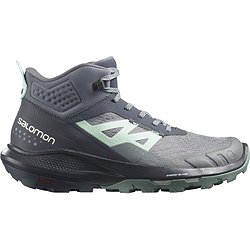
Our Vasque Breeze Boots sold out quickly! Explore similar styles now!
When selecting hiking boots, consider features such as waterproofing, breathability, and traction. A good pair should also offer ankle support and cushioning for comfort during long hikes. Additionally, look for durable materials that can withstand various terrains.
Choosing the right size for hiking boots is crucial for comfort and performance. It's recommended to try on boots with the socks you plan to wear while hiking. Ensure there's enough room in the toe box and that your heel is secure without slipping.
Different terrains require specific types of hiking boots. For rocky or uneven surfaces, look for boots with sturdy soles and excellent ankle support. Lightweight boots are ideal for well-maintained trails, while waterproof options are best for wet or muddy conditions.
The weight of hiking boots can significantly impact your hiking experience. Lighter boots are generally more comfortable for long distances and fast-paced hikes, while heavier boots often provide better support and durability for rugged terrains. Consider your hiking style and the conditions you'll face.
Hiking boots are typically made from leather, synthetic materials, or a combination of both. Leather offers durability and water resistance, while synthetic materials are often lighter and more breathable. Understanding the materials can help you choose boots that suit your hiking needs.
Hiking boots can be worn year-round, but the best season often depends on the terrain and weather conditions. Spring and fall are popular for moderate temperatures, while summer may require lighter, more breathable options. Winter hiking boots should provide insulation and traction on snow and ice.
Continue browsing