â
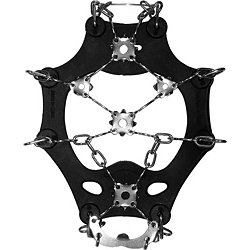
Stay safe and confident on icy surfaces with our winter ice grips for shoes. Designed to provide superior traction, these grips easily attach to your footwear, ensuring stability and preventing slips. Made from durable materials, they are built to withstand harsh winter conditions while remaining lightweight and portable. Perfect for walking, hiking, or commuting, our ice grips enhance your winter footwear without compromising comfort. Equip yourself with the essential protection you need to navigate winter's challenges with ease.
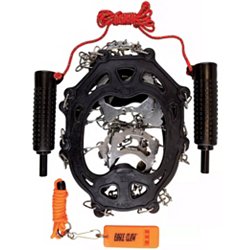
Winter ice grips for shoes are accessories designed to provide additional traction on icy surfaces. They typically feature a combination of rubber and metal spikes or coils that enhance grip, preventing slips and falls. These grips can be easily attached to various types of footwear, making them a practical solution for navigating winter conditions.
Winter ice grips for shoes are often made from durable rubber or silicone, which provides flexibility and a secure fit. The traction elements may include metal spikes, coils, or lugs that are designed to dig into ice and snow for improved stability. This combination of materials ensures that the grips can withstand cold temperatures while maintaining their effectiveness.
Most winter ice grips for shoes are designed to fit a wide range of footwear styles, including boots, sneakers, and dress shoes. However, it's important to check the sizing and compatibility of the grips with your specific shoes to ensure a secure fit. Some grips may be better suited for specific activities, such as hiking or casual walking.
When selecting winter ice grips for shoes, consider factors such as the type of terrain you'll be navigating, your footwear style, and the level of traction you require. Look for grips with features like adjustable fit, ease of use, and durability to ensure they meet your specific needs. Additionally, consider the weight and portability if you plan to carry them for outdoor activities.
While winter ice grips are primarily designed for icy conditions, they can also provide traction on packed snow and slippery surfaces. However, using them on dry or uneven surfaces may not be advisable, as they could wear down more quickly or cause discomfort. It's best to use them in conditions where their traction capabilities are most beneficial.
Continue browsing