â
Step confidently onto the ice this winter with our collection of winter ice shoes designed for performance and comfort. Featuring durable materials and specialized designs, these shoes provide excellent grip and support for all your ice activities. Whether you're skating, playing broomball, or simply enjoying the winter outdoors, our selection ensures you stay warm and secure. With options for men, women, and children, you can find the perfect fit for every member of the family. Embrace the season with footwear that combines functionality and style for all your icy adventures.
When selecting winter ice shoes, consider features such as insulation for warmth, waterproof materials to keep your feet dry, and a sturdy outsole for traction on icy surfaces. Look for designs that offer ankle support, which can enhance stability while skating or walking on ice. Additionally, adjustable closures can provide a secure fit, ensuring comfort during use.
To determine the right size for winter ice shoes, start by measuring your foot length and width. Use a ruler or measuring tape to find the longest part of your foot, typically from the heel to the tip of the longest toe. Compare your measurements to the sizing chart provided by the manufacturer, as sizes can vary between brands. It's also helpful to consider the type of socks you plan to wear, as thicker socks may require a slightly larger size for comfort.
Winter ice shoes are typically made from a combination of durable synthetic materials and waterproof fabrics to withstand cold and wet conditions. Insulated linings are often included to provide warmth, while reinforced soles enhance grip and stability on ice. Additionally, many designs feature lightweight components to improve agility and comfort during use.
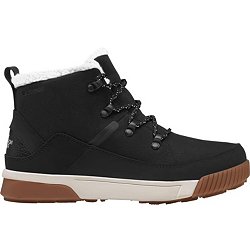
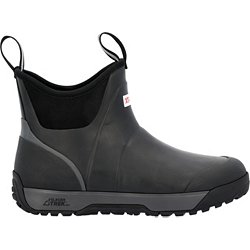
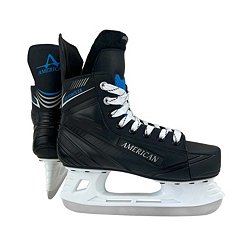
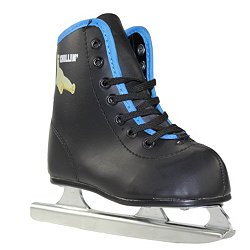
Yes, there are specific styles of winter ice shoes designed for various ice activities. For example, ice skates are tailored for figure skating or hockey, featuring different blade designs for agility and speed. Additionally, insulated boots are available for activities like ice fishing or walking on icy surfaces, providing warmth and traction. Each style is crafted to enhance performance and comfort based on the intended use.
Winter ice shoes vary in insulation and warmth based on their design and materials. Some models feature thicker linings and specialized insulation to retain heat, making them suitable for extended periods in cold conditions. Others may prioritize breathability while still providing adequate warmth, allowing for comfort during active use. The choice of materials, such as synthetic fabrics or waterproof elements, also influences how well the shoes keep feet warm and dry in winter environments.
To maintain winter ice shoes, it is important to regularly clean them after use to remove ice, snow, and dirt. Dry them thoroughly to prevent moisture buildup, which can lead to mold or deterioration of materials. Store them in a cool, dry place away from direct sunlight, and consider using a protective cover to shield them from dust and damage. Additionally, periodically check for any signs of wear and tear, and address any issues promptly to extend their lifespan.
Winter ice shoes are designed for various activities on ice, including both recreational and competitive skating. Recreational options typically prioritize comfort and ease of use, making them suitable for casual skaters. Competitive ice shoes, on the other hand, often focus on performance features that enhance speed and agility. Depending on the specific design and features, many winter ice shoes can cater to both types of skating.
The durability of winter ice shoes is influenced by several key factors, including the materials used in their construction, the quality of craftsmanship, and the design features. High-quality synthetic materials or leather can enhance resistance to wear and tear, while reinforced stitching and sturdy soles provide added strength. Additionally, features like waterproofing and insulation can help maintain the integrity of the shoes in harsh winter conditions. Regular maintenance and proper storage also play a role in prolonging the lifespan of winter ice shoes.
When choosing winter ice shoes, consider your skill level to find the right fit for your needs. Beginners may benefit from skates that offer more stability and support, while intermediate and advanced skaters might prefer options that allow for greater maneuverability and speed. Additionally, think about the type of ice activities you plan to engage in, as some designs are better suited for recreational skating, while others are tailored for performance. Finally, ensure a proper fit, as comfort and support are crucial for an enjoyable experience on the ice.
Different types of soles in winter ice shoes offer various advantages depending on the intended use. For instance, ice skates typically feature smooth, hardened blades that provide optimal glide and control on ice surfaces. In contrast, boots designed for walking on icy terrain may have rubber soles with specialized treads for enhanced grip and stability. Additionally, some soles may incorporate insulation or waterproof materials to keep feet warm and dry in cold conditions, making them suitable for various winter activities.
Continue browsing



 (8)