â
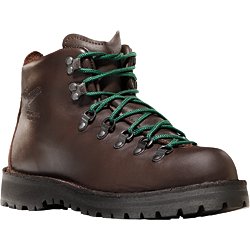
Discover the ultimate in outdoor footwear with our women's trail shoes designed for adventure. Engineered for comfort and durability, these shoes feature lightweight construction and superior traction, making them perfect for any terrain. With breathable materials and a supportive fit, you can tackle long hikes or casual strolls with ease. Whether you're navigating rocky paths or exploring scenic trails, our women's trail shoes provide the stability and performance you need. Step into your next adventure with confidence and style, ready to embrace the great outdoors.


$189.99
They are the only thing I want to put on my feet and allowed my chronic sprained ankle to finally heal. ... I have long( size 11 women ’s) narrow feet and these fit well, especially in the
5
Maximilian S.
Great fit and sturdy soles. The color is more pastel than bright red.
5
Christine H.
This is my second pair of the 2650 ’s. Light, yet supportive. I use Sole cork inserts and these shoes accommodate them. I have long( size 11 women ’s) narrow feet and these fit well, especially in the heel.
5
Carla C.
Well made, comfortable. I ca n't wait to try them out.
5
LaDonna Q.
Great looking shoe! Fits wonderful…haven ’ t been on a hike yet but I ’ m expecting they are going to be great!
5
Christina B.
Love everything about these hikers! They ’ re light, super comfortable right out of the box and so stylish. My toe box is a little wide but fit is perfect. Size 7. 5 true to size.
When selecting women's trail shoes, consider features such as traction, cushioning, and support. Look for a durable outsole that provides grip on various terrains, as well as midsole cushioning for comfort during long hikes. Additionally, a lightweight design can enhance agility and reduce fatigue on the trails.
Women's trail shoes are often made from a combination of synthetic materials and mesh for breathability and flexibility. Waterproof options may include specialized membranes to keep feet dry in wet conditions. The outsole is typically made from rubber for durability and traction, while the midsole may feature foam materials for cushioning.
Choosing the right size for women's trail shoes involves measuring your foot and considering the fit you prefer. It's important to try on shoes with the socks you plan to wear while hiking, as this can affect the fit. Additionally, ensure there is enough room in the toe box to accommodate swelling during long hikes.
Women's trail shoes are designed for a variety of outdoor activities, including hiking, trail running, and backpacking. They provide the necessary support and traction for uneven terrain, making them ideal for both casual walks and more challenging hikes. Some models may also be suitable for light scrambling or off-road biking.
To ensure the durability of women's trail shoes, it's important to choose a pair made from high-quality materials and to use them as intended. Regularly inspect the shoes for signs of wear, and clean them according to the manufacturer's guidelines. Proper storage and avoiding excessive exposure to harsh conditions can also extend their lifespan.
When selecting women's trail shoes for different seasons, consider factors such as insulation, breathability, and waterproofing. In warmer months, lightweight and breathable materials are ideal, while colder seasons may require shoes with insulation and waterproof features to keep feet warm and dry. Additionally, tread patterns may vary to provide better traction in specific conditions like mud or snow.
Continue browsing