â
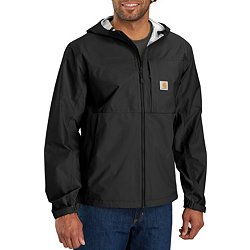
Explore our collection of jackets for sailing, designed to keep you protected and comfortable on the water. Crafted from durable, water-resistant materials, these jackets offer essential features like windproof protection and breathable fabrics. With adjustable hoods and cuffs, you can customize your fit for maximum comfort during your sailing adventures. Lightweight yet sturdy, our jackets ensure you stay dry and agile, allowing you to focus on enjoying the waves. Gear up for your next sailing trip with confidence and style.


$29.97-$89.95
WAS: $89.95*
I recommend a tiny fisherman or anybody in the elements keeps you dry keeps you protected and it ’s lightweight. ... Would recommend ... This works perfectly ... Great value& looks in a light weight
5
Salty2142
My husband loves it! He wears it over a hoodies to snowboard
5
CCs Flying Wingman
Great value& looks in a light weight jacket Would recommend
5
SamInTheSouth
My husband grabbed this on sale and he loves the water resistant jacket, can ’ t believe he got it at a great price point. Fits well, lightweight. Does the job
5
JPartain
I got this because I needed a new rain coat. This works perfectly
5
Pods r us
Best rain jacket i ’ ve ever owned. I recommend a tiny fisherman or anybody in the elements keeps you dry keeps you protected and it ’s lightweight.
When selecting jackets for sailing, consider features that enhance comfort and protection against the elements. Look for waterproof or water-resistant materials to keep you dry, as well as breathable fabrics to prevent overheating. Adjustable hoods and cuffs can help create a snug fit, while reflective elements improve visibility in low-light conditions. Additionally, pockets for storage and lightweight designs can enhance convenience and ease of movement while on the water.
To choose the right size for a sailing jacket, start by measuring your chest, waist, and hips to find your measurements. Consult the sizing chart provided by the manufacturer, as sizes can vary between brands. Consider the type of layering you plan to wear underneath the jacket, as this may affect your size choice. Additionally, look for features like adjustable cuffs and hems, which can help achieve a better fit while ensuring comfort and mobility on the water.
Jackets designed for sailing are typically made from materials that offer water resistance and breathability. Common fabrics include nylon and polyester, often treated with waterproof coatings to keep you dry in wet conditions. Additionally, some jackets may feature insulation for warmth and mesh linings for ventilation, ensuring comfort during various weather conditions on the water. Look for options that provide a good balance of durability and flexibility to accommodate movement while sailing.
Yes, there are jackets designed for various weather conditions encountered while sailing. Waterproof and windproof options are ideal for rainy and windy days, providing protection from the elements. Lightweight and breathable jackets are suitable for warmer weather, allowing for comfort and mobility. Additionally, insulated jackets can be beneficial for cooler temperatures, ensuring warmth without sacrificing functionality.
Waterproof jackets for sailing offer essential protection against the elements, keeping you dry and comfortable during wet conditions. They are typically designed with breathable materials that help regulate body temperature while preventing moisture from entering. Many styles also feature adjustable hoods and cuffs to enhance fit and minimize water exposure. Additionally, these jackets often include reflective elements for visibility, which is important for safety on the water.
Sailing jackets are specifically designed to withstand the unique challenges of being on the water, such as wind, rain, and splashes. They often feature waterproof or water-resistant materials, adjustable hoods, and reinforced seams to enhance durability. Additionally, sailing jackets may include ventilation systems to manage moisture and temperature, ensuring comfort during long periods of activity. Regular jackets, while versatile for everyday wear, typically lack these specialized features tailored for marine environments.
Popular styles of jackets for sailing activities include windbreakers, waterproof shells, and insulated options. Windbreakers are lightweight and provide protection against wind and light rain, making them ideal for variable weather conditions. Waterproof shells offer enhanced protection from heavy rain and splashes, while insulated jackets help keep sailors warm during cooler temperatures. Many jackets also feature adjustable hoods and cuffs for a customizable fit and added comfort on the water.
Breathability is crucial in jackets for sailing as it helps regulate body temperature and moisture. When sailing, you may encounter varying weather conditions, and a breathable jacket allows sweat to escape while keeping you dry from external elements. This feature enhances comfort during long periods on the water, ensuring you can focus on your sailing experience. Additionally, a breathable jacket can help prevent overheating, making it an essential aspect to consider when choosing sailing gear.
When choosing a sailing jacket, consider the insulation type based on the climate and conditions you expect to encounter. Lightweight insulation is suitable for warmer weather, while thicker, more robust insulation is better for colder environments. Additionally, look for jackets that offer moisture-wicking properties to keep you dry and comfortable, as well as windproof features to protect against harsh winds. Breathability is also important to ensure you stay comfortable during physical activity on the water.
Yes, sailing jackets are designed to be versatile and can be used for various outdoor activities. Their waterproof and windproof features make them suitable for hiking, camping, or even casual outings in inclement weather. Additionally, many sailing jackets offer breathability and comfort, which can enhance your experience during different outdoor adventures. Just ensure that the specific jacket meets the requirements of the activity you plan to engage in.
Continue browsing