â
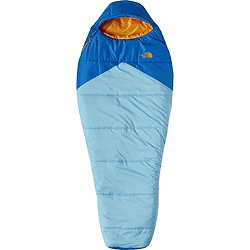
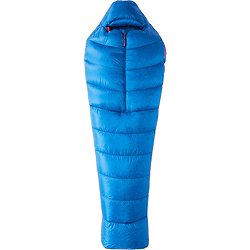
Discover the best synthetic sleeping bag insulation designed for warmth and comfort during your outdoor adventures. Engineered to provide excellent thermal efficiency, these sleeping bags retain heat even in damp conditions, ensuring a cozy night's sleep. Lightweight and compressible, they are easy to pack and carry, making them perfect for camping, hiking, or backpacking. With moisture-wicking properties and durability, our selection offers reliable performance in various weather conditions. Experience the perfect blend of comfort and functionality with high-quality synthetic insulation for your next outdoor excursion.
Synthetic insulation offers several advantages, including excellent moisture resistance and quick drying capabilities. This makes it a great choice for campers and backpackers who may encounter wet conditions. Additionally, synthetic materials tend to be more affordable than down insulation, providing a budget-friendly option without sacrificing warmth.
While synthetic insulation typically provides good warmth, down insulation is often regarded as warmer for its weight. However, synthetic options have improved significantly and can offer comparable warmth, especially in damp conditions where down may lose its insulating properties. The choice often depends on the specific needs of the user and the conditions they expect to face.
When selecting a synthetic sleeping bag for seasonal use, consider the temperature rating, which indicates the lowest temperature at which the bag will keep you warm. Additionally, look for features like draft collars and hoods that enhance warmth retention. For summer camping, a lightweight and breathable option is ideal, while colder months may require a bag with higher insulation and a tighter fit.
Yes, synthetic sleeping bags are often a popular choice for backpacking due to their lightweight nature and packability. They provide reliable warmth and are less affected by moisture, making them practical for various weather conditions. However, it's essential to consider the weight and compressibility of the bag to ensure it fits comfortably in your pack.
To maintain the performance of synthetic insulation, it's important to store the sleeping bag loosely rather than compressed, which can damage the fibers over time. Regularly airing out the bag after use helps prevent moisture buildup and odors. When washing, follow the manufacturer's guidelines, typically using a gentle cycle and mild detergent to preserve the insulation's loft.
Continue browsing



 (9)
(9)