â
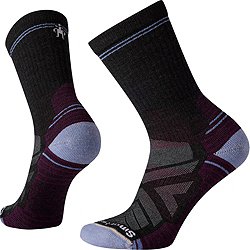
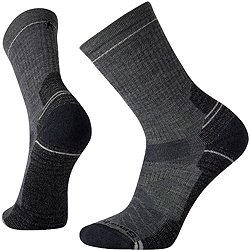
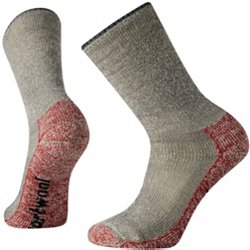
Discover the ultimate comfort and performance with our breathable hiking socks collection. Designed for outdoor enthusiasts, these socks feature moisture-wicking materials that keep your feet dry and comfortable on the trails. With targeted cushioning and support, they help reduce fatigue and blisters during long hikes. The lightweight and breathable construction ensures optimal airflow, making them perfect for any adventure. Equip yourself with high-quality hiking socks that enhance your outdoor experience, allowing you to focus on the journey ahead.
When selecting breathable hiking socks, consider materials that promote moisture-wicking and ventilation, such as merino wool or synthetic blends. Look for features like cushioning in key areas for comfort and support, as well as reinforced zones for durability. Additionally, ensure the socks have a proper fit to prevent slipping and blisters during your hikes. Seamless construction can also enhance comfort by reducing friction against the skin.
Breathable hiking socks are designed to wick moisture away from the feet, helping to keep them dry and comfortable during long hikes. The materials used in these socks allow for better airflow, which can help regulate temperature and reduce the risk of overheating. Additionally, many breathable options feature cushioning and support that can enhance overall comfort, making them suitable for extended wear on various terrains. This combination of moisture management and comfort features contributes to a more enjoyable hiking experience.
Breathable hiking socks are typically made from a blend of materials designed to enhance comfort and moisture management. Common materials include merino wool, which offers natural breathability and temperature regulation, and synthetic fibers like nylon and polyester, which provide durability and quick-drying properties. Some socks may also incorporate spandex for added stretch and a snug fit. These materials work together to keep feet dry and comfortable during outdoor activities.
Yes, there are various styles of breathable hiking socks designed for different types of hiking. For instance, crew-length socks provide additional coverage and warmth for cooler weather, while low ankle socks are ideal for warmer conditions and shorter hikes. Additionally, some socks feature cushioning for added comfort on rugged terrain, while others focus on moisture-wicking properties to keep feet dry during long treks. Choosing the right style can enhance your hiking experience based on the environment and duration of your hike.
To choose the right size for breathable hiking socks, start by checking the sizing chart provided by the manufacturer, as sizes can vary between brands. Measure your foot length and width to find the corresponding size. Consider the thickness of the socks and how they will fit with your hiking footwear; a snug fit is often preferred to prevent slipping and blisters. Additionally, think about the type of hiking you will be doing, as some styles may require different fits for optimal comfort.
Moisture-wicking properties in hiking socks are essential for maintaining comfort during outdoor activities. These features help draw sweat away from the skin, keeping your feet dry and reducing the risk of blisters. Additionally, moisture-wicking materials can help regulate temperature, ensuring that your feet stay cool in warm conditions and warm in cooler weather. Overall, these properties contribute to a more enjoyable hiking experience by enhancing foot comfort and performance.
Breathable hiking socks can play a role in reducing the likelihood of blisters during outdoor activities. By allowing moisture to escape and promoting airflow, these socks help keep your feet dry and comfortable. Additionally, many breathable options are designed with cushioning and seamless construction, which can further minimize friction and irritation. Choosing the right fit and material is essential for optimal performance on the trails.
Lightweight breathable hiking socks are designed to provide comfort and moisture management during warmer conditions or high-intensity activities. They typically offer a snug fit and enhanced breathability, helping to keep your feet cool and dry. Thicker breathable hiking socks, on the other hand, can provide additional cushioning and warmth, making them suitable for cooler weather or longer hikes where extra support is beneficial. Choosing between the two often depends on the climate, terrain, and personal preference for comfort and protection.
Seasonal changes can significantly influence the choice of breathable hiking socks. In warmer months, lightweight and moisture-wicking materials are ideal to keep feet cool and dry, while in cooler seasons, thicker options may provide added insulation without sacrificing breathability. Additionally, the length of the sock can vary with the season; shorter styles may be preferred in summer, while crew lengths can offer more coverage and warmth in colder weather. Ultimately, selecting the right sock for the season helps enhance comfort and performance during hikes.
When selecting breathable hiking socks for varying weather conditions, consider the material and moisture-wicking properties. Look for socks made from natural fibers like merino wool or synthetic blends that allow for ventilation and help regulate temperature. Additionally, think about the thickness and cushioning, as thicker socks may provide warmth in cooler conditions while lighter options are better for warmer weather. Finally, ensure the fit is snug but comfortable to prevent blisters during your hikes.
Continue browsing



 (4)