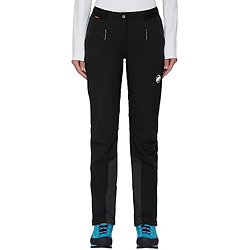
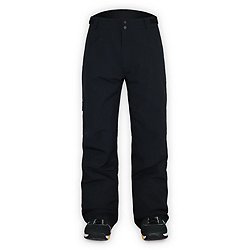
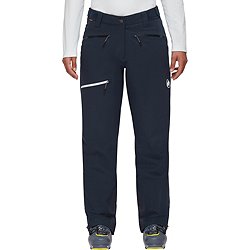
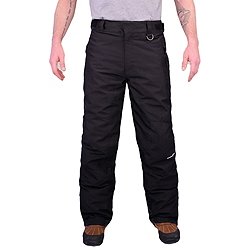
â
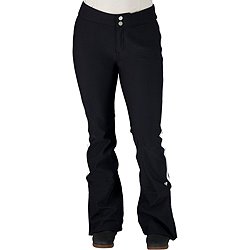
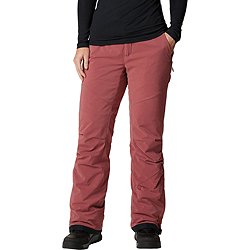
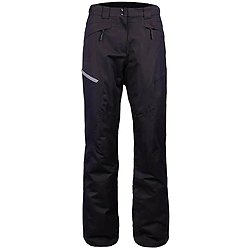
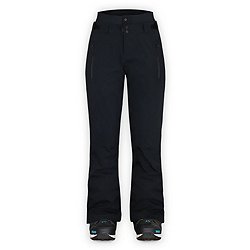
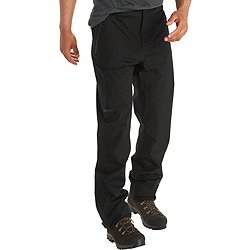
Stay comfortable on the slopes with our collection of breathable ski pants designed for optimal performance. Crafted with advanced moisture-wicking materials, these pants ensure you remain dry and warm during your winter adventures. Featuring a range of fits and styles, our breathable ski pants offer flexibility and ease of movement, perfect for skiing or snowboarding. With added insulation and weather-resistant properties, you can tackle any terrain with confidence. Gear up for your next snowy escapade and experience the perfect blend of comfort and functionality.
When looking for breathable ski pants, consider features such as moisture-wicking materials that help keep you dry and comfortable during physical activity. Look for ventilation options like zippered vents that allow for airflow, especially during warmer conditions. Additionally, ensure the pants have a good fit that allows for ease of movement while providing insulation against the cold. Waterproofing is also important to protect against snow and wet conditions while maintaining breathability.
Breathable ski pants enhance comfort by allowing moisture and heat to escape while providing protection from the elements. This helps regulate body temperature during physical activity, preventing overheating and keeping you dry. The materials used in these pants are designed to wick away sweat, ensuring that you remain comfortable throughout your skiing experience. Additionally, their lightweight construction allows for greater mobility, making it easier to navigate the slopes.
Breathable ski pants are typically made from materials that offer both waterproofing and ventilation. Common fabrics include synthetic options like nylon and polyester, which are lightweight and durable. Many ski pants also incorporate technologies such as membrane layers that allow moisture to escape while keeping water out, enhancing comfort during active use. Additionally, some styles may feature insulation materials to provide warmth without sacrificing breathability.
Breathable ski pants are designed to provide comfort in a variety of weather conditions. They typically feature materials that allow moisture to escape while keeping you dry, making them suitable for both warm and cold environments. Many styles also incorporate insulation for colder days, while others may be lighter for milder conditions. This versatility makes them a practical choice for skiers who encounter changing weather on the slopes.
The difference between relaxed fit and regular fit in ski pants primarily lies in the cut and overall comfort. Relaxed fit ski pants offer a looser silhouette, providing more room in the thighs and hips, which can enhance mobility and comfort during activities. Regular fit ski pants, on the other hand, have a more tailored design that closely follows the body's shape, offering a snugger fit while still allowing for movement. Choosing between the two depends on personal preference and the desired level of comfort and style.
To choose the right size for breathable ski pants, start by measuring your waist and hips, as these are key areas for fit. Consult the sizing chart provided by the manufacturer, which typically includes measurements for waist, inseam, and hip size. Consider the type of layering you plan to wear underneath; if you prefer a looser fit for added comfort, you may want to size up. Additionally, check for features like adjustable waistbands or elastic cuffs that can enhance the fit and comfort while skiing.
Breathable ski pants are best suited for skiing and snowboarding, as they provide comfort and mobility while allowing moisture to escape. These pants are designed to keep you dry and comfortable during high-energy activities in cold weather. They are also suitable for other winter sports or outdoor activities where layering and temperature regulation are important. Many people find them useful for hiking in snowy conditions as well.
Breathable ski pants are designed to allow moisture and heat to escape, helping to keep you dry and comfortable during physical activity on the slopes. In contrast, non-breathable options may trap sweat and heat, leading to discomfort and a damp feeling. Breathable materials often feature advanced fabric technologies that enhance ventilation while still providing protection from wind and snow. This makes breathable ski pants a popular choice for those who engage in high-energy skiing or snowboarding.
When considering the durability of breathable ski pants, look for materials that are designed to withstand harsh weather conditions and frequent use. Features such as reinforced seams and abrasion-resistant fabrics can enhance longevity. Additionally, consider the construction quality, as well-stitched and well-fitted pants are less likely to wear out quickly. Finally, check for water-resistant coatings that can help maintain the integrity of the fabric over time.
Breathable ski pants are designed to provide comfort and moisture management, making them suitable for various outdoor activities beyond skiing. Many people wear them for snowboarding, hiking in cold weather, or even winter camping due to their insulation and water-resistant properties. Their lightweight and flexible materials allow for ease of movement, which is beneficial for a range of active pursuits in chilly conditions.
Continue browsing



 (5)