â
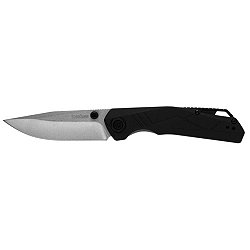
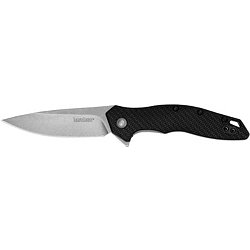
Discover the durability and precision of our carbon steel camping knives, designed for outdoor enthusiasts. These knives feature robust blades that maintain sharpness and withstand the rigors of camping and hiking. With ergonomic handles for a secure grip, they ensure comfort during extended use. Lightweight and easy to carry, our carbon steel camping knives are perfect for a variety of tasks, from food preparation to cutting through tough materials. Equip yourself with a reliable tool that enhances your outdoor experience and stands the test of time.
Carbon steel camping knives offer several advantages for outdoor enthusiasts. They are known for their excellent edge retention, allowing for longer use between sharpenings, which is particularly beneficial during extended camping trips. Additionally, carbon steel is typically easier to sharpen than other materials, making maintenance straightforward. These knives also tend to be more durable and can withstand heavy use, making them suitable for various camping tasks such as food preparation and cutting through tough materials.
Carbon steel camping knives are known for their ability to hold a sharp edge longer than many stainless steel options, making them a popular choice for outdoor enthusiasts. They are typically easier to sharpen, which can be beneficial in the field. However, carbon steel is more prone to rust and corrosion, so proper care and maintenance are essential to keep them in good condition. In contrast, stainless steel knives offer greater resistance to moisture and are often easier to maintain, making them suitable for various outdoor conditions.
When selecting a camping knife made of carbon steel, consider the blade's sharpness and edge retention, as these factors contribute to its cutting efficiency. Look for a comfortable handle that provides a secure grip, especially in wet conditions. Additionally, a full tang construction can enhance durability and balance, making the knife easier to control during use. Finally, consider the knife's weight and size to ensure it fits your camping needs and is easy to carry.
Carbon steel camping knives are known for their durability and ability to hold a sharp edge, making them a popular choice for outdoor activities. However, they can be susceptible to rust and corrosion if exposed to moisture without proper care. It is important to maintain these knives by cleaning and drying them after use, especially in wet conditions, to ensure their longevity and performance. While they can perform well in various weather conditions, taking precautions will help preserve their quality.
A carbon steel camping knife is well-suited for a variety of outdoor activities, including camping, hiking, and backpacking. Its durability and ability to hold a sharp edge make it ideal for tasks such as food preparation, cutting rope, and processing firewood. Additionally, it can be useful for general maintenance around the campsite, such as clearing brush or making kindling. Many outdoor enthusiasts appreciate the versatility and reliability of a carbon steel knife for their camping adventures.
When determining the right size for a camping knife, consider the intended use and your personal preferences. A larger blade may be suitable for tasks like chopping or splitting wood, while a smaller blade can be more versatile for detailed work such as food preparation or carving. Additionally, the handle size and grip should feel comfortable in your hand, allowing for better control during use. Ultimately, the right size balances functionality with ease of handling for your specific camping needs.
Maintaining a carbon steel camping knife involves regular cleaning and oiling to prevent rust and corrosion. After each use, it is important to clean the blade with warm, soapy water and dry it thoroughly. Applying a light coat of oil can help protect the steel from moisture and maintain its sharpness. Additionally, regular sharpening will ensure the knife remains effective for various outdoor tasks.
A camping knife is a versatile tool commonly used for various tasks in outdoor settings. It can assist with food preparation, such as slicing fruits or vegetables, and is useful for cutting rope or cordage for setting up tents or tarps. Additionally, camping knives can aid in fire-starting by helping to create kindling or shavings from wood. Many outdoor enthusiasts also use them for general maintenance tasks around the campsite.
The weight of a carbon steel camping knife can significantly influence its usability in various outdoor activities. A lighter knife is often easier to handle and carry, making it suitable for tasks that require precision and extended use, such as food preparation or detailed cutting. Conversely, a heavier knife may provide more stability and power for chopping or splitting tasks, which can be beneficial in certain camping scenarios. Ultimately, the right weight depends on the intended use and personal preference of the user.
When choosing a camping knife, the grip and handle material are important for comfort and control during use. Look for materials that provide a secure hold, especially in wet or slippery conditions. Ergonomic designs can enhance comfort during extended use, while durable materials can withstand outdoor elements. Consider how the handle feels in your hand and whether it allows for a firm grip during various tasks.
Continue browsing