â
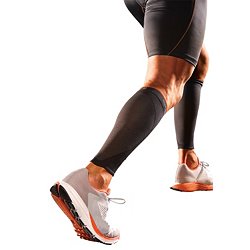
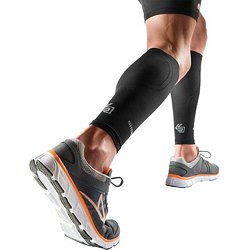
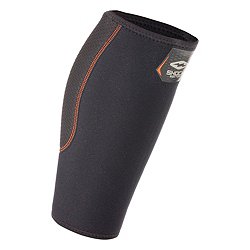
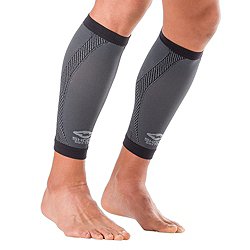
Explore our selection of compression sleeves for circulation, designed to enhance blood flow and support muscle recovery. These sleeves are crafted with advanced compression technology, providing targeted support to various muscle groups, including calves, arms, and thighs. Made from breathable, moisture-wicking materials, they help keep you comfortable during activity while promoting circulation. Suitable for athletes and active individuals, compression sleeves may aid in reducing recovery time and improving performance. Choose from a variety of styles to find a fit that meets your needs.
Compression sleeves for circulation are specialized garments designed to apply pressure to specific areas of the body, typically the calves, arms, or thighs. This pressure helps to improve blood flow, reduce muscle fatigue, and enhance recovery during and after physical activities. By promoting better circulation, these sleeves can aid in reducing soreness and supporting overall muscle performance.
Compression sleeves are often made from a blend of materials such as nylon, spandex, and other moisture-wicking fabrics. These materials provide the necessary elasticity and support while ensuring breathability and comfort during use. Some sleeves may also incorporate specialty yarns for added benefits like odor control and temperature regulation.
Yes, compression sleeves can be beneficial for a wide range of physical activities, including running, cycling, weightlifting, and team sports. They help keep muscles warm and supported, which can enhance performance and reduce the risk of injury. Whether for training or competition, these sleeves can be a valuable addition to an athlete's gear.
Choosing the right size of compression sleeves is crucial for effectiveness and comfort. It's important to measure the circumference of the area where the sleeve will be worn, such as the calf or arm, and refer to the sizing chart provided by the manufacturer. A properly fitted sleeve should feel snug but not overly restrictive, allowing for ease of movement.
Yes, compression sleeves are designed to aid in recovery after workouts by improving circulation and reducing muscle soreness. The graduated compression technology helps to facilitate blood flow, which can speed up the removal of lactic acid and other metabolic waste from the muscles. This can lead to a quicker recovery time and better overall performance in subsequent workouts.
The benefits of using compression sleeves for circulation include enhanced blood flow, reduced muscle fatigue, and improved recovery times. They can also provide warmth to muscles, which may help prevent injuries during physical activities. Additionally, many compression sleeves are designed with moisture-wicking properties to keep the skin dry and comfortable.
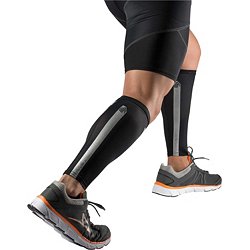
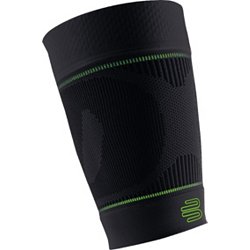
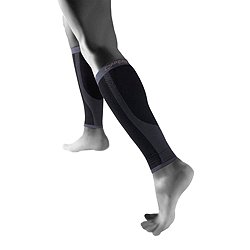
Yes, compression sleeves come in various styles to cater to different needs and preferences. Options include calf sleeves, arm sleeves, and thigh sleeves, each designed to target specific muscle groups. Additionally, some sleeves may feature reflective materials for visibility during low-light conditions or have specialized fabrics for added comfort and support.
The frequency of wearing compression sleeves can depend on individual needs and activity levels. Many athletes wear them during workouts for support and recovery, while others may choose to wear them post-activity to aid in recovery. It's important to listen to your body and adjust usage based on comfort and performance goals.
Continue browsing