â
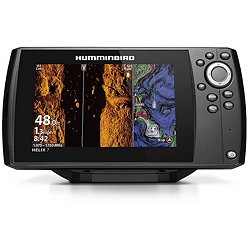
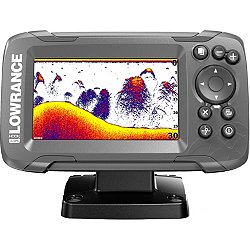
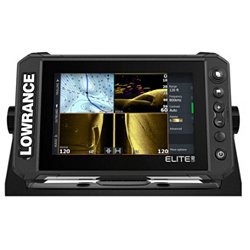
Explore the depths with our advanced dual frequency fish finders, designed to enhance your fishing experience. These innovative devices utilize dual frequency sonar technology, providing detailed underwater imaging and precise depth readings. Ideal for both freshwater and saltwater fishing, they offer features like GPS navigation, CHIRP sonar, and user-friendly interfaces. With options for ice fishing and versatile mounting solutions, you can easily adapt to any fishing environment. Upgrade your gear and increase your catch rate with a dual frequency fish finder that meets all your angling needs.
A dual frequency fish finder is a device that uses two different sonar frequencies to locate fish and underwater structures. Typically, one frequency provides a wider coverage area, while the other offers greater detail at deeper depths. By switching between these frequencies, users can gain a comprehensive view of the underwater environment, helping to identify fish and understand the terrain. This technology enhances fishing efficiency by providing valuable information about the water column and bottom structure.
Using a dual frequency fish finder offers several advantages compared to a single frequency model. The ability to operate at two different frequencies allows for greater versatility in sonar performance, enabling users to target various depths and types of fish more effectively. Lower frequencies provide a wider coverage area and better penetration in deeper waters, while higher frequencies deliver more detailed images and improved resolution in shallower areas. This combination enhances the overall fishing experience by providing more accurate and comprehensive underwater information.
Dual frequency fish finders are versatile tools that can enhance various fishing experiences. They are particularly effective for both freshwater and saltwater fishing, allowing anglers to target different species at varying depths. The ability to switch between frequencies helps in locating fish in shallow waters as well as deeper areas, making them suitable for techniques like trolling, ice fishing, and bottom fishing. This adaptability makes dual frequency fish finders a valuable asset for many fishing styles.
When choosing a dual frequency fish finder, consider the type of fishing you plan to do and the water conditions you will encounter. Look for features such as screen size, resolution, and ease of use, as these can enhance your fishing experience. Additionally, consider the sonar capabilities, as different frequencies can provide varying levels of detail and depth coverage. Finally, think about any additional features you may want, such as GPS functionality or mapping options, to help you navigate and locate fish more effectively.
When selecting a dual frequency fish finder, consider features such as screen size and resolution, which can enhance visibility and clarity of underwater images. Look for advanced sonar technology that provides both high and low frequency options, allowing for detailed readings at various depths. Additionally, features like GPS integration and mapping capabilities can help you navigate and mark productive fishing spots. Battery life and ease of use are also important factors to ensure a smooth fishing experience.
Yes, dual frequency fish finders are designed to be versatile and can be suitable for both freshwater and saltwater fishing. They operate at two different frequencies, allowing users to adapt to various fishing conditions and depths. This flexibility makes them effective for locating fish in diverse environments, whether in lakes, rivers, or coastal waters. Many anglers appreciate this adaptability for enhancing their fishing experience.
Dual frequency fish finders typically operate at two different sonar frequencies, allowing for versatile depth and range capabilities. Most models can effectively scan depths ranging from shallow waters of a few feet to deeper areas exceeding 1,000 feet, depending on the specific technology used. The lower frequency is generally better for deeper water and wider coverage, while the higher frequency provides more detailed images in shallower areas. This combination makes them suitable for various fishing environments and conditions.
The display quality of a dual frequency fish finder plays a crucial role in its usability by affecting how clearly and accurately information is presented. A high-resolution display enhances visibility, making it easier to interpret sonar readings, identify fish, and navigate underwater structures. Additionally, features like color contrast and brightness can improve visibility in various lighting conditions, allowing users to make informed decisions while fishing. Overall, a quality display contributes to a more effective and enjoyable fishing experience.
Common accessories for dual frequency fish finders include transducers, which enhance sonar capabilities and improve depth readings. Mounting brackets and hardware are essential for securely attaching the fish finder to your boat. Additionally, protective covers can help safeguard the device from the elements when not in use. Power cables and batteries are also important for ensuring your fish finder operates effectively during your fishing trips.
Dual frequency fish finders typically offer efficient power consumption, allowing for extended use on the water. Many models are designed to balance performance with battery life, often featuring energy-saving modes that help prolong operation during fishing trips. The actual battery life can vary based on factors such as screen brightness, usage of additional features, and the specific settings chosen by the user. Overall, these devices are engineered to provide reliable performance while managing power effectively.
Continue browsing