â
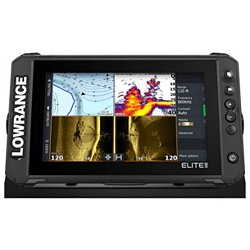
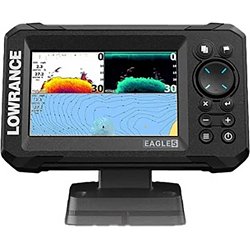
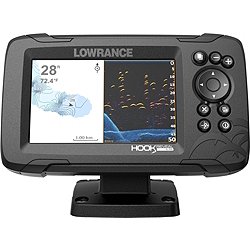
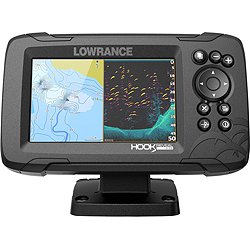
Explore the world of easy-to-use fish finders designed to enhance your fishing experience. These devices typically feature intuitive interfaces, making navigation and operation straightforward for anglers of all skill levels. Many models come equipped with advanced sonar technologies, providing clear images of underwater structures and fish. Integrated GPS capabilities allow users to mark waypoints and track their location effortlessly. With options for both freshwater and saltwater fishing, easy-to-use fish finders can be a valuable tool for locating your next catch.
When searching for an easy to use fish finder, consider features like a user-friendly interface, intuitive controls, and a clear display. Look for models that offer built-in GPS for waypoint marking and route creation, as well as sonar technologies that provide detailed images of underwater structures and fish. Additional features like touchscreens and quick access to settings can enhance usability.
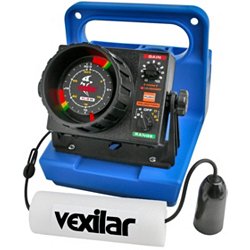
Yes, fish finders come in various types, including portable models, fixed mount units, and those designed for specific fishing environments like ice fishing. Some models feature advanced sonar technologies such as CHIRP, DownScan, and SideScan imaging, which help identify fish and underwater structures more effectively. It's important to choose a type that suits your fishing style and environment.
Sonar technology uses sound waves to detect fish and underwater structures, providing detailed images and information about what's below the surface. Advanced sonar options, like CHIRP and DownScan Imaging, enhance clarity and target separation, making it easier to identify fish-holding areas. This technology allows anglers to make more informed decisions about where to cast their lines.
GPS functionality in a fish finder is crucial for navigation and locating fishing hotspots. It allows anglers to mark waypoints, create routes, and track their boat's speed, which can enhance the fishing experience. With GPS, you can easily return to productive fishing locations and navigate unfamiliar waters with confidence.
Absolutely, many fish finders are versatile enough to be used for various types of fishing, including freshwater, saltwater, and ice fishing. Depending on the model, features like adjustable settings and different sonar modes can cater to specific fishing techniques and environments. This adaptability makes fish finders valuable tools for all anglers.
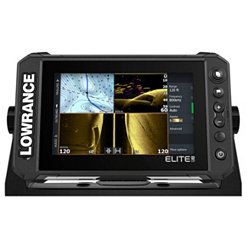
The display of a fish finder is vital for interpreting sonar data effectively. Look for a bright, sunlight-readable screen that offers high resolution for clear images. Touchscreen capabilities can enhance ease of use, while split-screen options allow for simultaneous viewing of multiple data types, such as sonar readings and maps.
Fish finders are designed to be durable and withstand various environmental conditions, including exposure to water and rough handling. Many models feature rugged designs and weather-resistant casings to protect against moisture and impacts. It's important to check the specifications for water resistance ratings and durability features when selecting a fish finder.
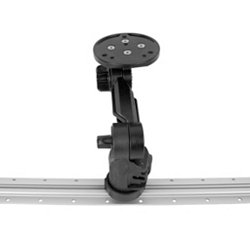
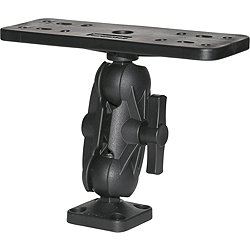
Setting up a fish finder typically involves mounting the unit on your boat, connecting the transducer, and powering the device. Most modern fish finders come with user-friendly instructions to guide you through the installation process. Once set up, you can calibrate settings and familiarize yourself with the interface to optimize your fishing experience.
Continue browsing