â
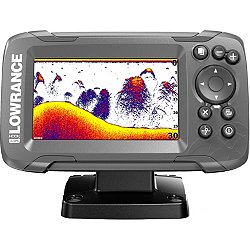
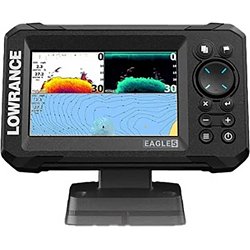
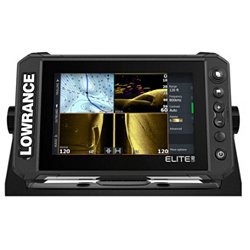
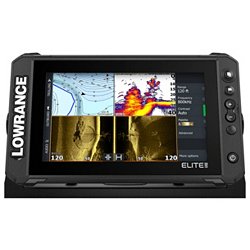
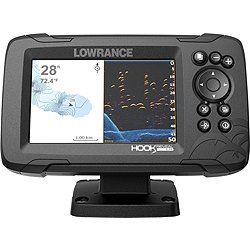
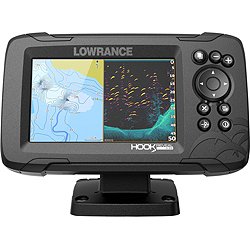
Discover the ultimate small fish finder collection designed for anglers seeking precision and portability. These compact devices feature advanced sonar technology to help you locate fish with ease, ensuring a successful day on the water. With user-friendly interfaces and vibrant displays, you can quickly interpret underwater structures and fish movements. Lightweight and easy to transport, our small fish finders are perfect for any fishing adventure, whether you're on a boat or fishing from the shore. Enhance your fishing experience and reel in more catches with these essential tools.
When selecting a small fish finder, consider features such as display size and resolution, which can enhance visibility and clarity. Look for sonar technology options, including traditional and CHIRP sonar, to improve fish detection and underwater imaging. Portability is also important, so check for lightweight designs and battery life that suit your fishing trips. Additionally, features like GPS capabilities and mapping can help you navigate and mark productive fishing spots.
Small fish finders typically offer a more compact design, making them easier to transport and store. They often have smaller screens and fewer advanced features compared to larger models, which may include higher resolution displays and more sophisticated sonar technology. While small fish finders are suitable for casual anglers and smaller watercraft, larger models tend to provide enhanced capabilities for serious fishing enthusiasts, including greater depth range and more detailed mapping options. Ultimately, the choice between small and large fish finders depends on the user's specific fishing needs and preferences.
Small fish finders are well-suited for various types of fishing, including freshwater and saltwater applications. They are particularly effective for anglers who fish from smaller boats, kayaks, or even from the shore, as their compact size makes them easy to transport and set up. These devices can help locate fish in shallow waters, making them ideal for bass fishing, panfishing, and ice fishing. Additionally, their portability allows for quick adjustments and use in different fishing environments.
Yes, small fish finders are designed to be portable and easy to transport. Their compact size and lightweight construction make them convenient for anglers who need to move between different fishing locations. Many models come with features like built-in batteries or easy-to-mount options, enhancing their portability for on-the-go use. This makes them suitable for various fishing environments, whether from a boat, kayak, or shore.
The typical battery life of a small fish finder can vary based on the model and usage conditions. Many small fish finders offer battery life ranging from several hours to a full day on a single charge, depending on factors such as screen brightness and the frequency of use. It's important to consider the power settings and features being utilized, as these can impact overall battery performance. For extended outings, having a backup power source or extra batteries can be beneficial.
Small fish finders are generally quite accurate in detecting fish and underwater structures, utilizing sonar technology to provide real-time data. They can identify the presence of fish, as well as the depth and type of underwater structures like rocks, vegetation, and drop-offs. The effectiveness of these devices can vary based on factors such as water conditions, the frequency of the sonar, and the specific features of the fish finder. Many users find that small fish finders enhance their fishing experience by providing valuable insights into the underwater environment.
A small fish finder typically features a compact display that provides essential information in a user-friendly format. You can expect to see a clear screen that shows sonar readings, depth, and fish locations, often with color or grayscale options for better visibility. Many models also include customizable settings to adjust the display for different lighting conditions and preferences. Additionally, some may offer touchscreen capabilities for easier navigation and operation.
Many small fish finders are designed to be versatile and can be used in both freshwater and saltwater environments. However, it is important to check the specifications of each model, as some may have features or components that are better suited for one type of water over the other. Additionally, using a fish finder in saltwater may require specific maintenance to prevent corrosion. Always ensure that the device is appropriate for the intended water conditions to achieve optimal performance.
Using a small fish finder offers several advantages over traditional fishing methods. These devices provide real-time sonar imaging, allowing anglers to locate fish more efficiently and understand underwater structures. They are typically portable and easy to use, making them ideal for various fishing environments, from small lakes to rivers. Additionally, small fish finders can enhance the overall fishing experience by providing valuable data, such as water depth and temperature, which can help inform fishing strategies.
When choosing a small fish finder, consider factors such as the type of fishing you plan to do, the water conditions, and the features you need. Look for models that offer clear display screens, user-friendly interfaces, and reliable sonar technology to help locate fish effectively. Additionally, consider the portability and battery life if you plan to use it on smaller boats or from the shore. Assessing these aspects will help you find a fish finder that suits your specific fishing style and environment.
Continue browsing