â
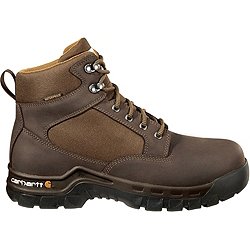
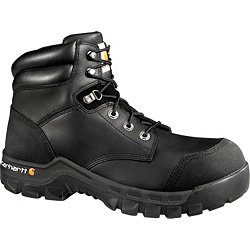
Discover our durable collection of factory boots designed for tough work environments. Engineered for comfort and protection, these boots feature waterproof materials and steel toe construction to keep your feet safe and dry. With slip-resistant outsoles and supportive cushioning, they provide stability and comfort during long hours on the job. Whether you're in construction, manufacturing, or any demanding field, our factory boots are built to withstand the rigors of your workday while ensuring maximum performance and reliability. Step into quality and confidence with every pair.
Factory boots are durable footwear designed for industrial and manufacturing environments. They typically feature reinforced toes, slip-resistant soles, and waterproof materials to protect against various workplace hazards. These boots provide comfort and support for long hours on your feet, making them suitable for factory workers, construction personnel, and anyone in need of reliable work footwear.
When selecting quality factory boots, consider features such as durability, comfort, and safety. Look for materials that provide waterproofing and breathability to keep your feet dry and comfortable during long hours of wear. Additionally, ensure the boots have a sturdy sole for traction and support, as well as safety features like steel toes for protection against workplace hazards. A good fit is also essential to prevent discomfort and fatigue throughout the day.
To determine the right size for factory boots, start by measuring your foot length and width using a ruler or measuring tape. It's important to refer to the sizing chart provided by the manufacturer, as sizes can vary between brands. Consider the type of socks you will wear with the boots, as thicker socks may require a slightly larger size. Additionally, trying on boots at the end of the day when your feet are slightly swollen can help ensure a more accurate fit.
Factory boots are typically constructed from durable materials designed to withstand tough working conditions. Common materials include leather, which offers strength and flexibility, and synthetic fabrics that provide water resistance and breathability. Additionally, many factory boots feature rubber soles for traction and stability, as well as steel or composite toe caps for added protection. These materials work together to ensure comfort and durability in demanding environments.
Factory boots are designed to provide durability and protection in various environments, making them suitable for both outdoor and indoor use. Many styles feature waterproof materials and slip-resistant soles, which enhance their performance in challenging conditions. Additionally, their sturdy construction helps protect against potential hazards commonly found in factory settings and outdoor workspaces. Overall, these boots offer versatility for different work environments.
Steel toe factory boots feature a protective cap made of steel, providing a high level of impact and compression resistance. In contrast, composite toe boots use materials like Kevlar, carbon fiber, or plastic, which are lighter and do not conduct heat or cold, making them suitable for environments with extreme temperatures. Both types offer protection, but the choice often depends on the specific work environment and personal comfort preferences. Additionally, composite toe boots may be a better option for those needing to pass through metal detectors.
Factory boots are designed with features that enhance comfort for extended wear. Many models include cushioned insoles and padded collars, which help reduce fatigue during long shifts. Additionally, breathable materials and moisture-wicking linings can keep feet dry and comfortable, while supportive outsoles provide stability and shock absorption. These elements work together to ensure that wearers can stay focused and comfortable throughout their workday.
To maintain the durability of factory boots, it is important to regularly clean them to remove dirt and debris that can cause wear. Applying a suitable waterproofing treatment can help protect the material from moisture and extend the life of the boots. Additionally, storing them in a cool, dry place when not in use can prevent damage from humidity and temperature fluctuations. Finally, inspecting the boots for any signs of damage and addressing issues promptly can help ensure they remain in good condition.
Yes, there are factory boots designed to meet the demands of various work environments. These boots often feature specific materials and construction techniques to provide durability, comfort, and protection. For instance, some may include waterproofing for wet conditions, while others might have steel toes for added safety in industrial settings. Additionally, styles can vary to accommodate different tasks, ensuring that workers have the right footwear for their specific needs.
Factory boots come in a variety of styles designed to meet different work conditions. Options include waterproof models for wet environments, steel-toe designs for protection against heavy objects, and slip-resistant soles for improved traction on slick surfaces. Additionally, some styles feature insulated materials for colder conditions, while others prioritize breathability for warmer settings. These variations ensure that workers can find suitable footwear for their specific job requirements.
Continue browsing