â
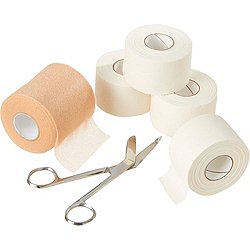
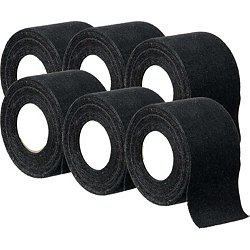
Ensure you're prepared for any situation with our high-quality first aid tape collection. Designed for versatility and ease of use, these cohesive self-stick tapes provide secure support without sticking to the skin. Ideal for wrapping injuries or securing dressings, they offer reliable protection during sports or daily activities. Available in various sizes and colors, our first aid tape is perfect for both personal and professional use. Stock up on this essential item to keep your first aid kit ready for any emergency.
First aid tape is commonly used to secure dressings and bandages in place, helping to protect wounds from dirt and bacteria. It is designed to adhere to skin and itself without the need for adhesive, making it gentle on the skin while providing a reliable hold. This type of tape is also useful for wrapping and supporting injuries, as well as for various applications in sports and outdoor activities. Its versatility makes it a staple in both personal first aid kits and professional medical settings.
First aid tape is specifically designed for medical use, providing a secure hold for bandages and dressings while being gentle on the skin. Unlike regular adhesive tape, which can be harsh and difficult to remove, first aid tape is often made from materials that allow for breathability and flexibility, making it suitable for sensitive areas. Additionally, first aid tape typically has a cohesive quality that allows it to stick to itself rather than to the skin, reducing the risk of irritation. This makes it a preferred choice for securing gauze and other medical supplies during treatment.
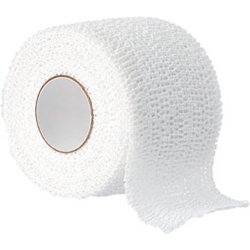
Cohesive first aid tape offers several advantages for securing dressings and providing support. It adheres to itself without sticking to the skin, making it easy to apply and remove without causing discomfort. This type of tape is also breathable, allowing for moisture evaporation, which can help keep the area dry. Additionally, cohesive tape is versatile and can be used for various applications, from securing bandages to providing support for sprains.
First aid tape is designed to be gentle on the skin, making it suitable for many individuals, including those with sensitive skin. Many options are made from soft, breathable materials that minimize irritation while providing secure adhesion. However, it is always advisable to test a small area first to ensure there is no adverse reaction. If any discomfort occurs, discontinue use and consult a healthcare professional.
Yes, first aid tape is designed to securely hold dressings or bandages in place. Its adhesive properties allow it to stick to the skin without causing irritation, making it suitable for various types of wounds. Additionally, many first aid tapes are breathable, which helps maintain comfort while providing support. This makes them a practical choice for both minor injuries and more extensive wound care.
First aid tape is typically made from a variety of materials designed for durability and flexibility. Common materials include cotton, polyester, and elastic fibers, which provide comfort and breathability. Additionally, many first aid tapes feature a cohesive or adhesive backing that allows them to stick securely to the skin or dressings without causing irritation. This combination of materials ensures that the tape can effectively support and protect injuries while allowing for movement.
When choosing the right width of first aid tape, consider the area of the body you will be applying it to and the type of support you need. Wider tape may be more suitable for larger areas or for securing dressings, while narrower tape can be ideal for smaller or more delicate areas. Additionally, think about the level of compression or support required for your specific application, as this can influence the width you select. Always ensure that the tape adheres well to the skin and provides the necessary flexibility for movement.
First aid tape is typically designed to be water-resistant, which means it can withstand some exposure to moisture without losing its adhesive properties. However, the level of water resistance can vary by product, so it's important to check the specific features of the tape you are using. While it can hold up against sweat and light rain, prolonged exposure to water may affect its performance.
When applying first aid tape, start by ensuring the skin is clean and dry to promote better adhesion. Cut the tape to the desired length, and apply it gently without stretching it too tightly, as this can restrict movement or circulation. Secure the tape over the area needing support or protection, making sure it adheres well to both the skin and any underlying dressings. Finally, check the tape periodically to ensure it remains in place and does not cause irritation.
First aid tape is generally designed for single-use applications. Once it has been applied, its adhesive properties may diminish, making it less effective for subsequent uses. For optimal performance and hygiene, it is recommended to use a fresh piece of tape for each application.
Continue browsing