â
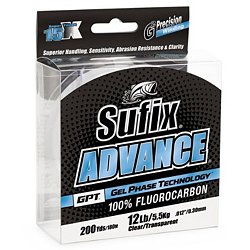
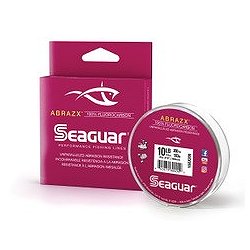
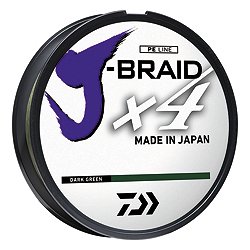
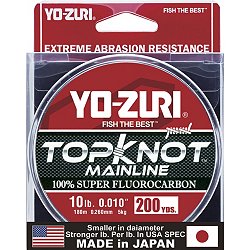
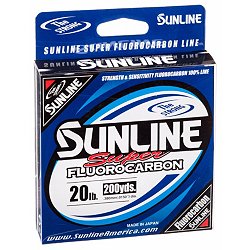
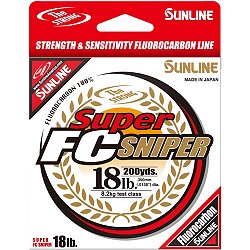
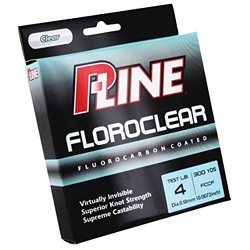
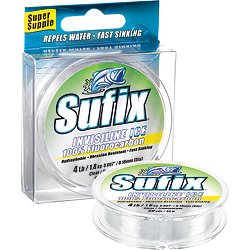
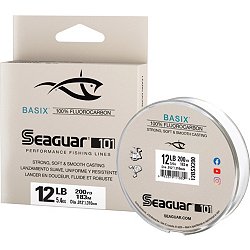
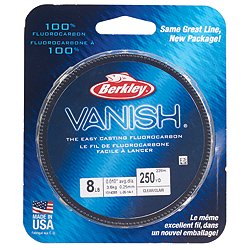
Our Fishing Line for Walleye sold out quickly! Explore similar styles now!
When targeting walleye, anglers often prefer a fishing line that offers a good balance of strength and sensitivity. Monofilament lines are popular for their stretch and ease of handling, while braided lines provide superior strength and sensitivity, making it easier to detect bites. Fluorocarbon lines are also a great choice due to their low visibility in water, which can be beneficial in clear conditions.
The ideal line strength for walleye fishing typically ranges from 8 to 12 pounds, depending on the fishing conditions and techniques being used. Lighter lines can be effective in clear waters or when using finesse techniques, while heavier lines may be necessary in areas with cover or when targeting larger fish. It's important to consider the fishing environment and adjust your line strength accordingly.
The type of fishing line can significantly impact your success when targeting walleye. A line that is too thick may deter bites, while a line that is too thin may not provide enough strength for landing larger fish. Additionally, the line's visibility and sensitivity play crucial roles in detecting subtle bites, making it essential to choose a line that suits the specific conditions and techniques you plan to use.
Braided line offers several advantages for walleye fishing, including its high strength-to-diameter ratio, which allows for thinner lines that are less visible in water. This type of line also provides excellent sensitivity, enabling anglers to feel even the lightest bites. Furthermore, braided lines have minimal stretch, which can enhance hook-setting power when a walleye strikes.
When selecting fishing line colors for walleye, it's important to consider water clarity and light conditions. In clear water, low-visibility colors like clear or green can be effective, while in murky conditions, brighter colors such as yellow or orange can help anglers see the line and detect bites. Ultimately, the choice of color should align with the fishing environment to maximize effectiveness.
While some fishing lines can be used in both freshwater and saltwater, it's generally advisable to choose a line specifically designed for the type of water you are fishing in. Freshwater lines may not withstand the corrosive effects of saltwater, which can lead to decreased performance and durability. Always check the line specifications to ensure it meets the demands of your fishing environment.
Continue browsing