â
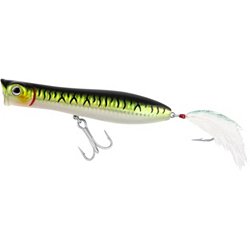
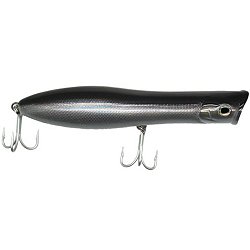
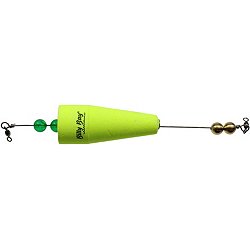
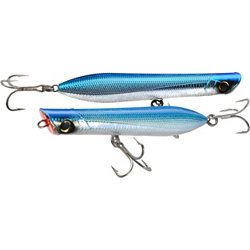
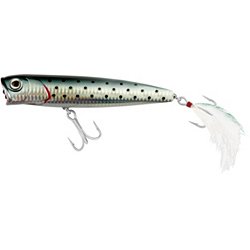
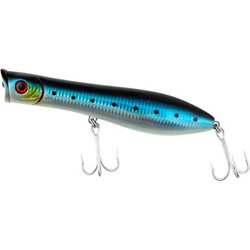
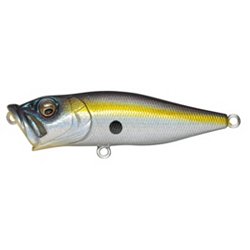
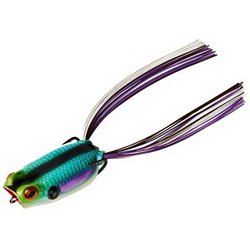
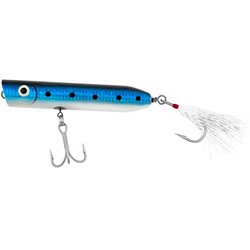
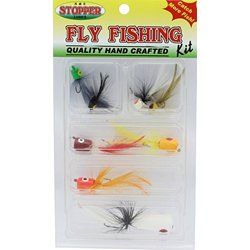
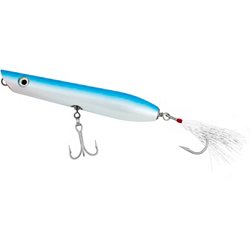
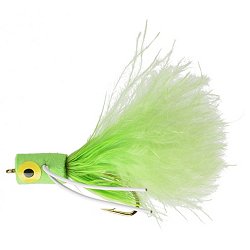
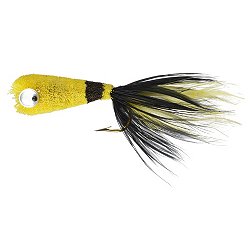
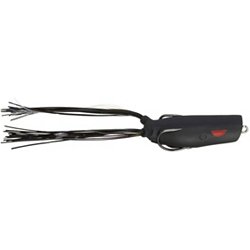
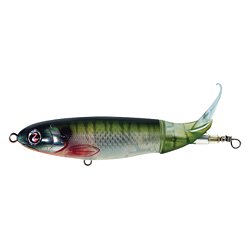
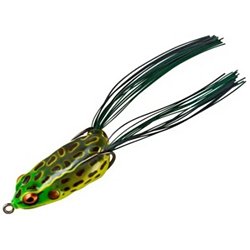
Discover the ultimate floating popper collection, designed to enhance your fishing experience. These topwater lures create enticing splashes and vibrations, attracting fish with ease. Crafted for durability and performance, our floating poppers are perfect for both freshwater and saltwater fishing. With a variety of colors and sizes, you can find the ideal option to match any fishing condition. Elevate your angling game and enjoy the thrill of catching fish with these effective and reliable floating poppers.
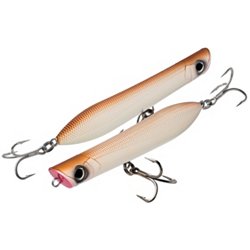
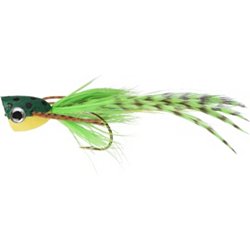
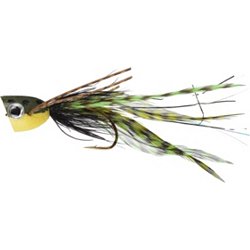
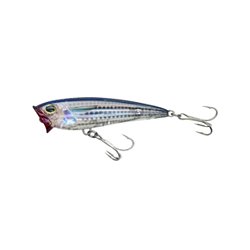
A floating popper is a type of fishing lure designed to mimic the movement of prey on the water's surface. It features a concave face that creates a popping sound and splash when retrieved, attracting fish. These lures are typically used in topwater fishing, making them ideal for targeting species that feed near the surface.
Floating poppers are particularly effective for freshwater and saltwater fishing, especially in shallow waters. They are commonly used for targeting species such as bass, trout, and various saltwater game fish. Anglers often use them during early morning or late evening when fish are actively feeding on the surface.
Floating poppers are typically made from durable materials such as plastic or wood, which can withstand the rigors of fishing. The choice of material can affect the lure's buoyancy, action, and overall performance in the water. Additionally, many floating poppers feature vibrant colors and patterns to enhance visibility and attract fish.
Choosing the right size floating popper depends on the type of fish you are targeting and the conditions of the water. Larger poppers are often more effective for catching bigger fish, while smaller ones can be better for targeting panfish or in situations where fish are more cautious. It's also important to consider the water conditions, such as wind and current, when selecting the size.
Yes, floating poppers can be used in a variety of water conditions, including calm lakes, rivers, and coastal areas. Their effectiveness can vary based on factors such as water clarity, temperature, and the presence of vegetation. Adjusting the retrieval speed and technique can also help optimize performance in different environments.
Continue browsing



 (12)
(12)