â
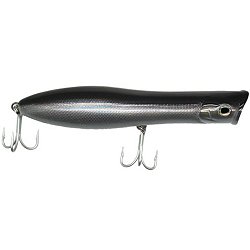
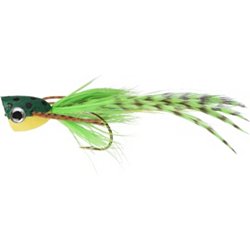
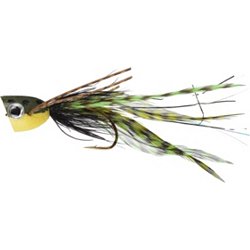
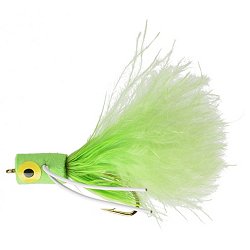
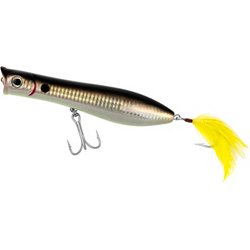
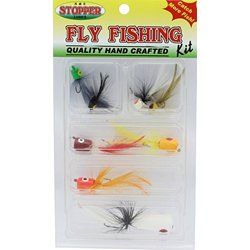
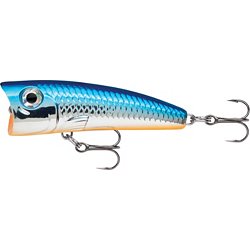
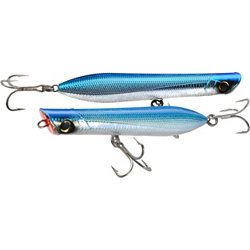
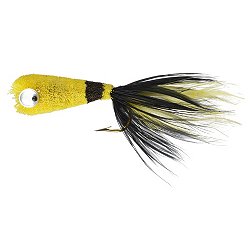
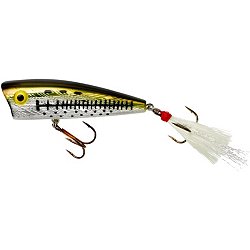
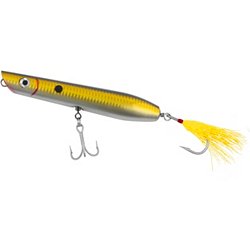
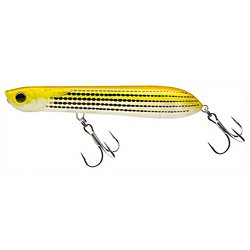
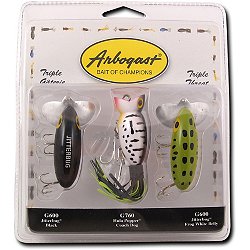
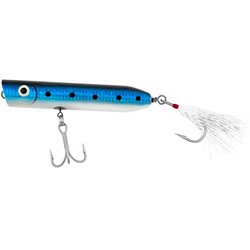
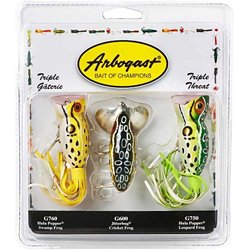
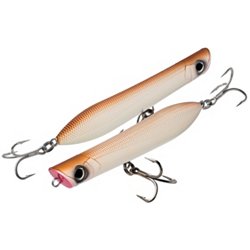
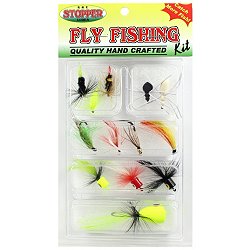
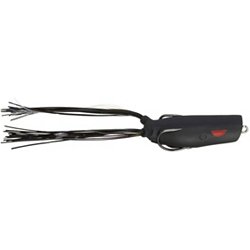
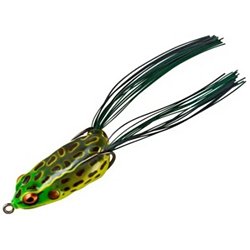
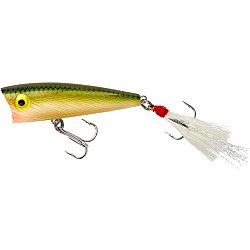
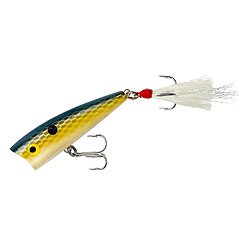
Explore our collection of surface poppers, designed to enhance your fishing experience with effective and enticing action on the water. These topwater lures create a splash and mimic the movement of prey, attracting fish with their vibrant colors and realistic designs. Ideal for both freshwater and saltwater fishing, our surface poppers are crafted for durability and performance. Whether you're a seasoned angler or just starting, these lures will help you reel in your next big catch. Upgrade your tackle box with our high-quality surface poppers today!
A surface popper is a type of fishing lure designed to create a disturbance on the water's surface, attracting fish. It typically features a concave face that produces a popping sound and splash when retrieved, mimicking the movement of prey. This action can trigger aggressive strikes from predatory fish, making it an effective choice for anglers targeting species that feed near the surface.
Surface poppers are particularly effective for catching predatory fish species such as bass, pike, and trout. These fish are often found in shallow waters where they hunt for surface-dwelling prey. The loud noise and splash created by the popper can entice these fish to strike, especially during feeding times when they are actively hunting.
Surface poppers are usually constructed from durable materials such as plastic or wood, which can withstand the rigors of fishing. The choice of material can affect the lure's buoyancy and action in the water. Additionally, many poppers are painted with bright colors and patterns to enhance visibility and attract fish.
The best time to use surface poppers is during low-light conditions, such as early morning or late evening, when fish are more likely to be feeding near the surface. Additionally, surface poppers can be effective during overcast days or when there is a slight chop on the water, as these conditions can help conceal the angler and make the lure more enticing to fish.
When using surface poppers, a common technique is to retrieve the lure with a series of quick, jerking motions to create a popping sound and splash. Varying the speed and rhythm of the retrieve can also help mimic the movement of distressed prey. Anglers may experiment with different techniques to see what works best for the specific conditions and fish species they are targeting.
Continue browsing



 (19)
(19)