â
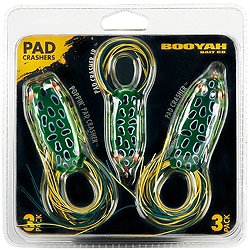
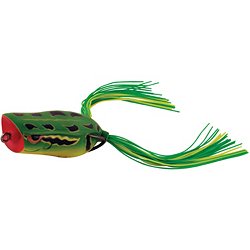
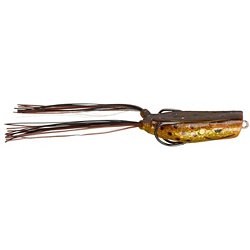
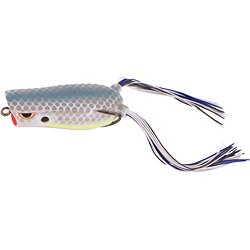
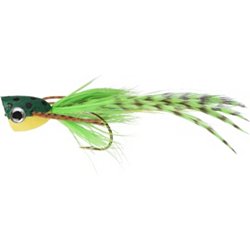
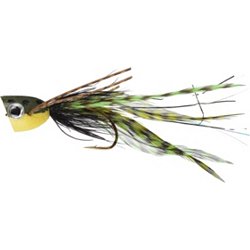
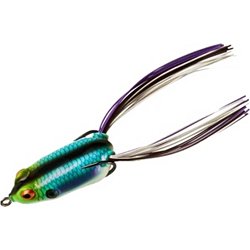
Explore our diverse collection of plastic frogs, perfect for both collectors and outdoor enthusiasts. These durable, lightweight figures are designed for realistic movement and vibrant colors, making them ideal for fishing or as decorative pieces. Crafted from high-quality materials, our plastic frogs are built to withstand various environments while maintaining their appeal. Whether you're looking to enhance your tackle box or add a unique touch to your home, our selection of plastic frogs offers something for everyone. Dive into the fun and functionality of these versatile accessories today!
 (12)
(12) Plastic frogs are primarily used as lures for fishing, particularly in freshwater environments. They mimic the appearance and movement of frogs, which are natural prey for many fish species. Anglers often use them in areas with heavy vegetation or lily pads, where fish are likely to hide and ambush their prey.
Plastic frogs are usually crafted from durable, flexible materials such as soft plastics or rubber. These materials allow for realistic movement in the water and can withstand the rigors of fishing, including bites from fish and exposure to various water conditions. The choice of material can also affect the buoyancy and action of the lure.
Plastic frogs come in various designs that cater to different fishing techniques and conditions. Some are designed to float on the surface, while others may have a more streamlined shape for deeper water. Additionally, features like hollow bodies or popper styles can create different sounds and movements, attracting fish in unique ways.
Yes, plastic frogs are particularly effective for catching species such as bass, pike, and other predatory fish that are known to inhabit weedy or lily pad-covered areas. Their design allows anglers to present them in a way that mimics the natural behavior of frogs, making them an appealing target for these fish.
When selecting a plastic frog, consider factors such as the size, color, and weight of the lure, as these can influence its effectiveness in different fishing environments. Additionally, think about the type of water you will be fishing in—whether it’s calm or turbulent—as well as the specific species you are targeting, as this can help you choose the most suitable design.
Continue browsing