â
Achieve the perfect finish for your fly-tying projects with our premium head cement selection. Designed to provide a strong, durable bond, these cements enhance the longevity of your flies while offering a clear, professional look. Easy to apply, our head cements dry quickly and resist chipping, ensuring your creations stay intact during use. Whether you're a seasoned angler or a beginner, our head cement options will elevate your fly-tying experience. Explore our collection to find the ideal solution for all your crafting needs.

$9.99
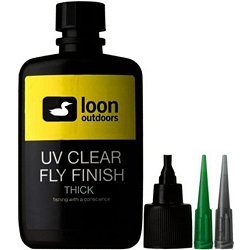
Easy to work with and dries clear. ... Another quality Loon
5
Jk in VT
I purchased this last month and have tied a few flies with it. Easy to work with and dries clear.

$9.99
It ’s easy to apply and holds up well. ... Works Great ... Recently bought this and it works great with my
Head cement is used in fly tying to secure and finish the head of a fly. It helps to create a durable bond between materials, ensuring that components stay in place during use. Additionally, head cement can provide a glossy finish, enhancing the overall appearance of the fly. Many fly tyers use it to protect the thread wraps and other materials from wear and tear.
Head cement enhances the durability of flies by providing a protective coating that strengthens the thread wraps and materials used in fly tying. This adhesive helps to secure components in place, preventing them from unraveling or becoming damaged during use. Additionally, it can create a water-resistant barrier, which helps maintain the integrity of the fly in various fishing conditions. Overall, using head cement contributes to a longer-lasting and more reliable fly.
There are various types of head cement available, each designed for specific applications in fly tying. Some options include hard-setting formulas that provide a durable finish, while others may offer flexibility or quick-drying properties. Additionally, some head cements come in systems that include applicators for precise application. These products are typically used to secure thread wraps and enhance the overall appearance of flies.
Head cement is commonly used in fly tying to secure and finish flies, and it can be applied to various materials such as feathers, fur, and synthetic fibers. It helps to create a durable bond that holds the components of the fly together while also providing a protective finish. Many fly tyers appreciate its versatility, as it can enhance the appearance of the fly and improve its longevity in the water. However, it's important to choose a head cement that is compatible with the specific materials being used.
When selecting a quality head cement, consider its drying time, viscosity, and bonding strength. A fast-drying formula can enhance efficiency during projects, while the right viscosity ensures easy application without excessive run-off. Additionally, a strong bond is essential for durability, especially in applications where the cement will be subjected to stress or movement. Look for options that provide a clear finish to maintain the aesthetic of your work.
The drying time of head cement is crucial in the fly tying process as it influences the overall construction and durability of the fly. A faster drying time allows for quicker assembly of multiple flies, while a longer drying time can provide more time for adjustments and layering. Additionally, the drying characteristics can affect how well the cement adheres to materials, impacting the final appearance and functionality of the fly. Understanding the drying time helps in planning the tying workflow effectively.
Head cement is generally compatible with most types of fly tying threads, including nylon and polyester. However, some threads may react differently to certain adhesives, so it's advisable to test a small amount first. Always follow the manufacturer's guidelines for the specific head cement you are using to ensure optimal results. If you are using specialty threads, check for any specific recommendations regarding adhesive compatibility.
Head cement is specifically designed for fly tying, providing a strong bond that secures materials without adding bulk. Its quick-drying properties allow for efficient work, making it easier to complete flies in a timely manner. Additionally, head cement typically offers a clear finish, ensuring that the aesthetic of the fly remains intact while enhancing durability. This makes it a preferred choice for many fly tiers looking for reliable adhesion.
When choosing head cement for fly tying projects, consider the type of materials you are using and the specific application you have in mind. Look for cements that offer strong adhesion and durability, as well as those that dry clear to maintain the aesthetic of your flies. Additionally, some cements come in different viscosities, which can affect how they are applied and how they perform on various materials. It's also helpful to select a product that is easy to use and suits your preferred tying techniques.
To apply head cement effectively, start by ensuring that the surface of the fly or material is clean and dry. Use a fine applicator or brush to apply a thin, even layer of cement, focusing on the areas that require reinforcement. Allow the cement to cure fully before handling the fly to ensure a strong bond. For best results, work in a well-ventilated area to facilitate drying and avoid any buildup of excess cement.
Continue browsing