â
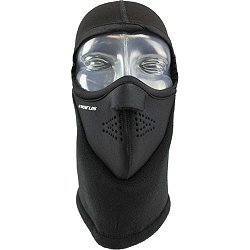
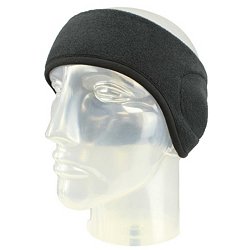
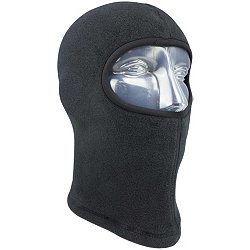
Stay warm and cozy this winter with our collection of winter headliners designed for all ages. Crafted from soft, insulating materials, these headliners provide exceptional warmth while ensuring a comfortable fit. Perfect for outdoor activities or everyday wear, they feature moisture-wicking properties to keep you dry and comfortable. Available in a variety of colors and styles, our winter headliners are the ideal accessory to protect your head and ears from the cold. Embrace the winter season with confidence and style!
When selecting a winter headliner, consider materials that provide warmth and moisture-wicking properties to keep you comfortable in cold conditions. Look for options with a snug fit to ensure they stay in place during activities. Additionally, features like breathability and lightweight construction can enhance comfort, especially during extended wear. Some headliners may also offer stylish designs or patterns to suit personal preferences.
To choose the right size for a winter headliner, start by measuring the circumference of your head just above the ears and eyebrows. Compare your measurement to the sizing chart provided by the manufacturer, as sizes can vary between styles. It's important to select a snug fit that provides warmth without being too tight, ensuring comfort during outdoor activities. Additionally, consider the thickness and material of the headliner, as these factors can affect the overall fit and warmth.
Winter headliners are typically made from materials designed to provide warmth and comfort in cold conditions. Common materials include synthetic fabrics that offer insulation, moisture-wicking properties, and breathability. Some headliners may also incorporate fleece or thermal linings to enhance warmth while remaining lightweight. These materials work together to keep the head and ears warm during outdoor activities in winter weather.
Winter headliners are designed to provide warmth and comfort in cold weather, making them suitable for various winter activities. Many of these headliners feature materials that offer insulation and moisture-wicking properties, helping to keep you dry and warm. While they can be effective in cold conditions, the level of warmth may vary based on the specific design and materials used. It is advisable to consider the intended use and the severity of the weather when selecting a winter headliner.
Using a winter headliner during outdoor activities helps to provide warmth and insulation, keeping your head comfortable in cold conditions. These headliners are often designed to wick moisture away, ensuring that you stay dry while engaging in various activities. Additionally, they can offer a snug fit, which helps to retain heat and protect against wind chill, making them a practical choice for winter sports and outdoor adventures.
Different styles of winter headliners can vary in warmth and comfort based on their materials and design features. Some headliners are made with thicker, insulating fabrics that provide enhanced warmth, while others may use lighter materials that prioritize breathability and moisture-wicking properties. Additionally, styles that fit snugly around the head can help retain heat, while those with a looser fit may offer more comfort but less insulation. Ultimately, the choice of style will depend on individual preferences and the specific conditions in which they will be used.
Yes, winter headliners are designed to be worn comfortably under helmets or other headgear. They provide warmth and insulation while maintaining a snug fit, ensuring that you stay cozy during cold weather activities. Many styles are made from lightweight materials that help wick moisture away, enhancing comfort without adding bulk. This makes them a practical choice for skiing, snowboarding, or other winter sports.
The typical lifespan of a winter headliner can vary based on factors such as usage frequency, care, and the materials used in its construction. Generally, with proper maintenance and storage, a winter headliner can last several seasons. Regular cleaning and avoiding exposure to extreme conditions can help extend its durability. It's important to inspect the headliner periodically for signs of wear and replace it when necessary to ensure optimal performance.
Yes, there are winter headliners specifically designed for children. These headliners often feature fun colors and patterns to appeal to younger users while providing warmth and comfort. They are typically made from soft, insulating materials to help keep kids cozy during cold weather activities. Many options also offer a snug fit to ensure they stay in place while kids are playing outside.
To determine the best winter headliner for your specific activities, consider the type of insulation and material that will provide the warmth and comfort you need. Think about the fit and style that will work best with your winter gear, whether you need something lightweight for high-energy activities or thicker options for colder conditions. Additionally, consider any specific features, such as moisture-wicking properties or breathability, that may enhance your experience during outdoor activities. Finally, assess the intended use, whether for skiing, snowboarding, or casual wear, to ensure you choose a headliner that meets your needs.
Continue browsing