â
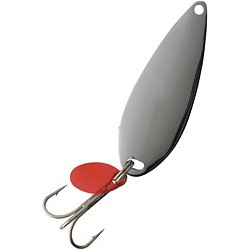
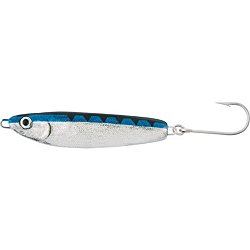
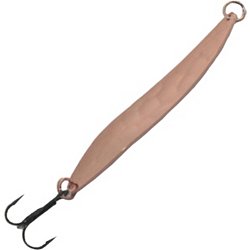
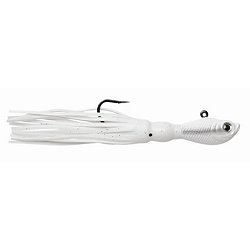
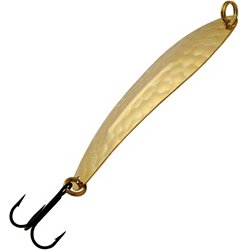
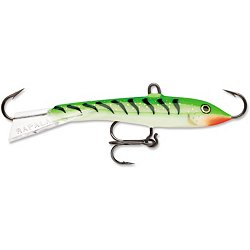
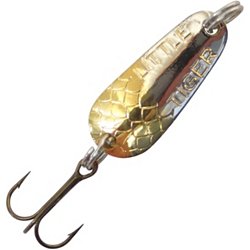
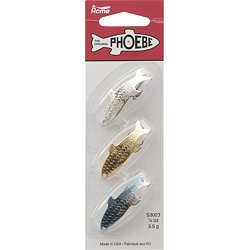
Our Hopkins Shorty Jigging Spoons sold out quickly! Explore similar styles now!
Jigging spoons are effective for attracting a variety of fish species due to their unique design and movement in the water. They mimic the erratic motion of injured baitfish, making them irresistible to predators. Additionally, they can be used in various fishing environments, including freshwater and saltwater, making them versatile tools for anglers.
Jigging spoons are typically made from metal, which provides the necessary weight for sinking quickly and creating a strong vibration in the water. Some models may also feature a reflective finish or paint to enhance visibility and attract fish. The durability of these materials ensures that the spoons can withstand repeated use in tough fishing conditions.
Jigging spoons are best utilized with vertical jigging techniques, where the angler drops the spoon straight down and then jerks it upward to create movement. This technique works well in deep waters and is effective for targeting species like bass, pike, and walleye. Anglers may also use a slow retrieve method to cover more area and entice fish to strike.
Jigging spoons can be effective year-round, but they tend to be particularly successful during the colder months when fish are less active and seeking easy prey. In spring and fall, as fish move to deeper waters, jigging spoons can help reach them at the right depth. Understanding seasonal fish behavior can enhance your success with these lures.
Choosing the right size jigging spoon depends on the target species and the fishing environment. Larger spoons are typically used for bigger fish and deeper waters, while smaller spoons are effective for panfish and shallower areas. It's also important to consider the weight of the spoon, as heavier options sink faster and can be more effective in strong currents.
Continue browsing