â
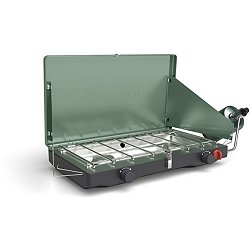
Explore our versatile collection of propane burners, perfect for outdoor cooking and heating needs. Designed for efficiency and portability, these burners offer reliable performance whether you're camping, tailgating, or enjoying a backyard gathering. With options ranging from compact stoves to powerful griddles, you can easily find the right fit for your adventures. Enjoy quick setup and adjustable heat settings, ensuring you have the perfect flame for any meal or warmth. Elevate your outdoor experience with our durable and user-friendly propane burners.
Propane burners are commonly used for outdoor cooking, providing a reliable heat source for camping, tailgating, and backyard gatherings. They are ideal for boiling, grilling, or simmering food, making them versatile for various meal preparations. Additionally, propane burners can be used for heating outdoor spaces, such as patios or campsites, enhancing comfort during cooler weather. Their portability and ease of use make them a popular choice for both recreational and practical applications.
Propane burners utilize propane gas as their fuel source, which allows for quick heating and portability, making them ideal for outdoor cooking and camping. Unlike electric burners, propane burners do not require a power source, providing flexibility in remote locations. Additionally, they often offer higher heat output compared to some other fuel types, making them suitable for various cooking tasks. Their design can vary, with options for single or multiple burners to accommodate different cooking needs.
When choosing a propane burner for camping, consider the burner’s size and weight, as portability is essential for outdoor activities. Look for features such as the number of burners, heat output, and fuel efficiency to ensure it meets your cooking needs. Additionally, evaluate the burner’s construction materials for durability and ease of cleaning, as well as any safety features that may enhance your camping experience. Finally, think about the type of cooking you plan to do, as some burners are better suited for specific tasks like boiling water or grilling.
Propane burners are generally designed for outdoor use due to the potential buildup of carbon monoxide and other harmful gases when used indoors. While some models may have features that allow for indoor use, it is crucial to ensure proper ventilation and follow safety guidelines. Always check the manufacturer's recommendations and local regulations before using a propane burner indoors.
When selecting a propane burner, consider features that enhance safety during use. Look for models with built-in flame control mechanisms to prevent flare-ups and adjustable heat settings for better temperature management. Additionally, features like automatic shut-off valves can help minimize risks in case of malfunction. A sturdy construction and stable base are also important to prevent tipping while in use.
To determine the right size propane burner for your needs, consider the intended use and the number of people you plan to cook for. Smaller burners are suitable for personal or small group cooking, while larger models are better for larger gatherings or more extensive meal preparation. Additionally, evaluate the burner’s heat output, typically measured in BTUs, to ensure it meets your cooking requirements. Finally, think about portability and storage if you plan to use the burner for camping or outdoor activities.
Propane burners are typically constructed from durable materials that can withstand high temperatures and outdoor conditions. Common materials include stainless steel, which offers corrosion resistance and longevity, and aluminum, known for its lightweight properties. Some models may also feature heat-resistant plastics or composite materials for specific components. These materials ensure that the burners are both functional and reliable for various cooking and heating applications.
Yes, propane burners can be used in cold weather conditions, but their performance may be affected by low temperatures. Propane tends to vaporize less efficiently in colder environments, which can lead to reduced heat output. To optimize performance, it is advisable to keep the propane tank warm and ensure proper ventilation. Additionally, using burners designed for cold weather can help maintain efficiency and functionality.
Propane burners offer several advantages over electric options, particularly in outdoor and remote settings. They provide immediate heat and are often more portable, making them ideal for camping or outdoor cooking. Additionally, propane burners can function in areas without access to electricity, allowing for greater flexibility in various environments. They also tend to perform better in cold weather, as they are not affected by temperature fluctuations like electric appliances can be.
To ensure the durability of your propane burner during outdoor use, it's important to keep it clean and well-maintained. Regularly inspect the burner for any signs of wear or damage, and clean any residue or debris that may accumulate after use. Additionally, store the burner in a dry, protected area when not in use to prevent rust and corrosion. Using a protective cover can also help shield it from the elements.
Continue browsing