â
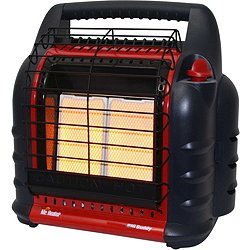
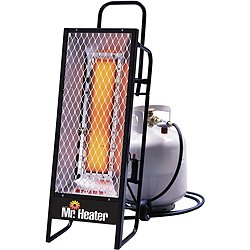
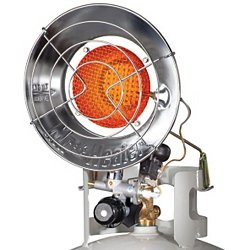
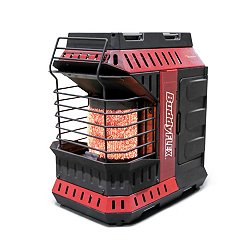
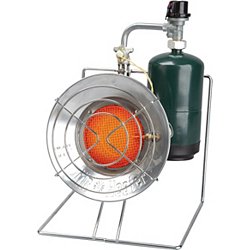
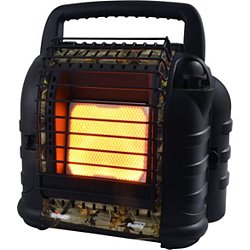
Stay warm and comfortable in your shed with our selection of propane heaters designed for efficient heating. These heaters offer powerful BTU outputs, ensuring quick and effective warmth for any space. With portable options available, you can easily move your heater wherever you need it most. Many models feature adjustable heat settings and safety features, providing peace of mind while you enjoy a cozy environment. Explore our range of propane heaters for sheds and transform your chilly workspace into a welcoming retreat.
Using a propane heater for a shed offers several advantages, including efficient heating and portability. Propane heaters can quickly warm up enclosed spaces, making them ideal for sheds used as workshops or storage areas during colder months. Additionally, many propane heaters are designed to be compact and easy to move, allowing for flexible placement based on your needs. They also operate independently of electricity, which can be beneficial in remote locations or during power outages.
To determine the appropriate size of a propane heater for your shed, start by calculating the square footage of the space you need to heat. Consider the insulation quality of the shed, as well as the average outdoor temperature in your area. A general guideline is to aim for around 30 to 50 BTUs per square foot, but this can vary based on specific conditions. Additionally, think about the heater's design and features, as some may be more efficient in certain environments than others.
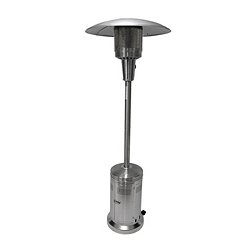
When selecting a propane heater for outdoor use, consider features such as heat output, which is typically measured in BTUs, to ensure it meets your heating needs. Look for portability options, such as wheels or lightweight designs, that make it easy to move the heater as needed. Additionally, check for safety features like automatic shut-off systems and sturdy construction to withstand outdoor conditions. Finally, consider the heater's fuel efficiency and the type of propane tank it requires for convenience and ease of use.
Propane heaters can be used in enclosed spaces like sheds, but caution is essential. Proper ventilation is necessary to ensure that carbon monoxide does not accumulate, which can pose a risk. It is advisable to follow the manufacturer's guidelines for safe operation and to consider using a carbon monoxide detector in the space. Always prioritize safety when using any heating appliance in confined areas.
The average heating capacity needed for a shed in winter typically ranges from 10,000 to 25,000 BTUs, depending on the size of the shed and insulation quality. Smaller sheds may require less heating capacity, while larger or poorly insulated structures may need more. It's important to consider factors such as the shed's dimensions, the local climate, and how often the space will be used when determining the appropriate heating capacity. Properly sizing the heater will help ensure a comfortable environment during colder months.
Propane heaters and electric heaters each have their advantages for shed heating. Propane heaters typically provide more heat output and can operate independently of electrical sources, making them suitable for remote locations. In contrast, electric heaters are often easier to install and maintain, and they do not require fuel storage. The choice between the two will depend on factors such as the shed's location, insulation, and your heating needs.
When selecting a propane heater for a shed, consider the size of the space to determine the appropriate heating capacity. Smaller sheds may benefit from compact, radiant heaters that provide localized warmth, while larger sheds might require convection or blue flame heaters that distribute heat more evenly throughout the area. It's also important to assess insulation and ventilation, as these factors can influence the heater's efficiency and effectiveness. Always ensure that the heater is suitable for the intended use and complies with safety guidelines.
Regular maintenance for propane heaters used in sheds is essential to ensure safe and efficient operation. This includes checking and cleaning the burner assembly, inspecting the fuel lines for leaks, and ensuring proper ventilation in the shed. Additionally, it is important to replace any worn or damaged parts and to keep the heater free from dust and debris. Following the manufacturer's guidelines for maintenance can help prolong the life of the heater and maintain its performance.
Yes, propane heaters can be an effective solution for temporary heating in a shed during events. They provide quick and efficient warmth, making them suitable for gatherings or activities in uninsulated spaces. Many models are designed for portability, allowing you to easily move them as needed. However, it's important to ensure proper ventilation when using propane heaters indoors to maintain safety.
When using a propane heater in a shed, it is important to ensure proper ventilation to prevent the buildup of carbon monoxide and other harmful gases. Keep the heater away from flammable materials and ensure it is placed on a stable, level surface. Regularly check for gas leaks and maintain the heater according to the manufacturer's guidelines. Additionally, consider using a carbon monoxide detector in the shed for added safety.
Continue browsing