â
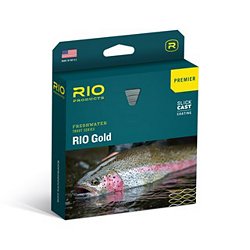
Explore our premium selection of Rio fly lines, designed to enhance your fishing experience. Engineered for precision and performance, these fly lines offer exceptional casting distance and accuracy, making them perfect for both beginners and seasoned anglers. With a variety of tapers and weights available, you can easily find the ideal line for any fishing condition. Durable and versatile, our Rio fly lines ensure smooth retrieval and long-lasting use, allowing you to focus on what matters most—landing that perfect catch. Upgrade your gear and elevate your fishing adventures today!
 (7)
(7) A fly line is a specialized fishing line designed for fly fishing, which is essential for casting flies to catch fish. It provides the necessary weight and taper to help deliver the fly accurately and at the desired distance. The right fly line can significantly affect casting performance and overall fishing success.
Fly lines come in various types, including floating, sinking, and intermediate lines, each suited for different fishing conditions and techniques. Floating lines are ideal for surface fishing, while sinking lines are used for deeper water. Understanding the type of line needed for specific environments can enhance your fishing experience.
Choosing the right fly line depends on several factors, including the type of fish you are targeting, the water conditions, and your casting style. Consider the weight of the line, which should match your rod, and the line's taper design, which influences how it casts and presents the fly. It's also helpful to think about whether you will be fishing in freshwater or saltwater.
Fly lines are typically made from materials like PVC or polyurethane, which provide durability and flexibility. The choice of material can affect the line's buoyancy, casting distance, and sensitivity. High-quality materials can enhance performance and longevity, making them a worthwhile investment for avid anglers.
While some fly lines are versatile enough for both freshwater and saltwater fishing, it's often best to use a line specifically designed for the environment you are fishing in. Saltwater lines are typically more durable and resistant to corrosion, while freshwater lines may offer different taper designs suited for various freshwater species. Understanding these differences can help improve your fishing effectiveness.
Proper maintenance and storage of fly lines are crucial for their longevity and performance. After each use, it's advisable to rinse the line with fresh water to remove salt, dirt, or debris. Store the line in a cool, dry place, preferably on a reel or in a protective case, to prevent damage and ensure it remains in good condition for future fishing trips.
Continue browsing