â
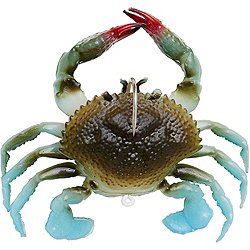
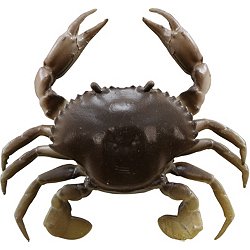
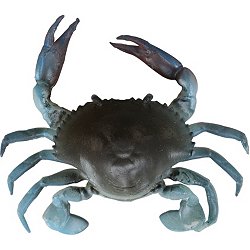
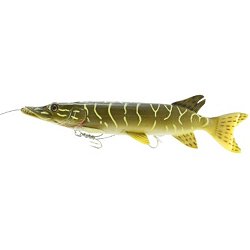
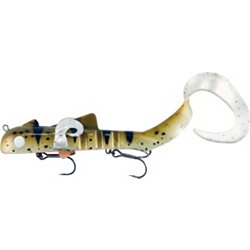
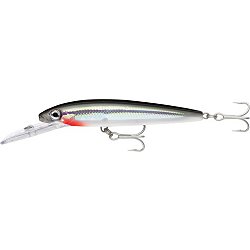
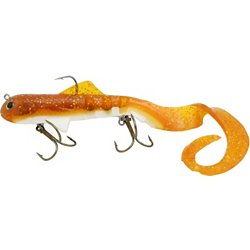
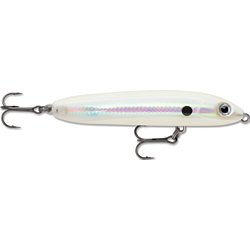
Explore our premium selection of swimbaits designed to enhance your fishing experience. Crafted for realistic movement in the water, these lures mimic the natural swimming action of baitfish, attracting a variety of species. With durable materials and vibrant colors, our swimbaits ensure longevity and visibility, making them essential for any angler's tackle box. Whether you're fishing in freshwater or saltwater, our versatile swimbaits are engineered to help you reel in your next big catch. Elevate your fishing game with these effective and reliable tools.
 (2)
(2) Swimbaits are a type of fishing lure designed to mimic the natural movement of fish or other aquatic creatures. They are typically used to attract predatory fish by imitating the swimming action of prey. Swimbaits can be effective in various fishing environments, including freshwater and saltwater, making them versatile tools for anglers.
Swimbaits are often made from a variety of materials, including soft plastics, rubber, and hard plastics. The choice of material can affect the lure's action, durability, and how it interacts with water. Soft plastic swimbaits tend to provide a more lifelike movement, while hard plastic options may offer greater durability and resistance to wear.
When selecting a swimbait, consider factors such as the size and color of the lure, the type of fish you are targeting, and the water conditions. Additionally, think about the depth at which you will be fishing and the type of action you want the lure to have. Matching the swimbait to the local forage can also increase your chances of success.
Yes, swimbaits come in various styles, including paddle tail, jointed, and line-through designs. Each style offers different swimming actions and can be used in different fishing scenarios. For instance, paddle tail swimbaits create a strong tail action, while jointed swimbaits can provide a more erratic movement, appealing to different types of fish.
Swimbaits can be effective year-round, but their success often depends on the season and local fish behavior. In warmer months, fish are more active and may be more likely to chase swimbaits. During colder months, slower retrieves and smaller swimbaits may be more effective as fish become less aggressive.
Rigging a swimbait typically involves using a suitable hook that matches the size and style of the lure. Depending on the design, you may choose to use a weighted hook or a jig head to achieve the desired depth and action. Ensuring the swimbait is securely attached and positioned correctly will enhance its effectiveness in the water.
Continue browsing