â
Discover the best swimbait for bass fishing, designed to mimic the natural movement of baitfish for irresistible attraction. Our selection features soft, durable materials that provide lifelike action in the water, ensuring you catch the attention of even the most elusive bass. With a variety of sizes and colors, these swimbaits are perfect for any fishing condition, whether you're targeting shallow waters or deeper structures. Enhance your fishing experience and increase your chances of a successful catch with these top-performing swimbaits tailored for bass enthusiasts.
When selecting a swimbait for bass fishing, consider the size and shape that mimic local baitfish, as this can enhance your chances of attracting bass. Look for swimbaits made from durable materials that can withstand repeated use and various water conditions. Additionally, features like realistic color patterns and a natural swimming action can make a significant difference in enticing bites. Finally, consider the weight and buoyancy of the swimbait to ensure it performs well at your desired depth.
Different swimbait materials can significantly influence their performance in the water. Soft plastics tend to provide a more lifelike action and can be more versatile in various fishing conditions, while harder materials may offer durability and a unique swimming motion. Additionally, the buoyancy of the material can affect how the swimbait sits in the water column, impacting its visibility and appeal to bass. Understanding these characteristics can help anglers choose the right swimbait for their specific fishing needs.
When targeting bass, swimbaits in the range of 3 to 6 inches are often considered effective. This size range mimics the natural prey of bass, making it easier to attract their attention. Additionally, larger swimbaits can be used in specific situations, such as when targeting bigger bass or in murky waters. Ultimately, the best size may vary based on local conditions and the specific feeding habits of the bass in the area.
Yes, specific colors of swimbaits can be more effective in different water conditions. In clear water, natural colors that mimic local baitfish tend to work well, while in murky or stained water, brighter colors or those with added flash can help attract attention. Additionally, during overcast days, darker colors may be more visible, whereas lighter colors can be effective in bright, sunny conditions. Adjusting your swimbait color based on the environment can enhance your chances of success.
Swimbaits can be effective for bass fishing during various times of the year, but they are particularly popular in the spring and fall. In spring, as water temperatures rise, bass become more active and are often in shallow waters preparing to spawn. During the fall, bass are feeding heavily to prepare for winter, making them more likely to strike at swimbaits. Additionally, using swimbaits in summer can also yield good results, especially in deeper waters where bass seek cooler temperatures.
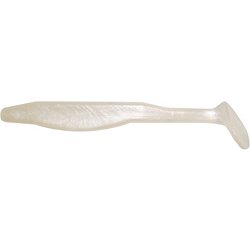
Choosing the right swimbait style for bass fishing depends on the specific technique you plan to use and the conditions you are fishing in. For example, paddle tail swimbaits are effective for a steady retrieve, mimicking the movement of baitfish, while more streamlined designs can be used for finesse techniques or when targeting bass in heavy cover. Additionally, consider the water clarity and temperature, as these factors can influence the color and size of the swimbait you select. Experimenting with different styles can help you determine what works best for your fishing environment and technique.
Soft swimbaits offer several advantages for bass fishing. They typically have a more natural movement in the water, mimicking the action of live prey, which can attract more strikes. Additionally, soft swimbaits are often more versatile in terms of rigging options and can be fished in various conditions, including shallow or weedy areas. Their softer texture can also enhance the fish's ability to hold onto the bait longer, increasing the chances of a successful catch.
The action of a swimbait plays a crucial role in attracting bass, as it mimics the natural movement of prey in the water. A realistic swimming motion can entice bass to strike, especially when the swimbait is retrieved at varying speeds or with specific techniques. Additionally, the tail action and body design can create vibrations and visual cues that draw bass in from a distance. Understanding how different actions affect bass behavior can help anglers choose the right swimbait for their fishing conditions.
When selecting a swimbait for different types of water bodies, consider the water clarity, depth, and structure. In clear water, more natural colors and subtle movements may be effective, while murky water often calls for brighter colors and more pronounced action to attract attention. Additionally, the depth of the water can influence the size and weight of the swimbait; heavier options may be necessary for deeper areas. Lastly, consider the presence of vegetation or underwater structures, as these can dictate the style and design of the swimbait you choose.
Continue browsing



 (79)