â
Experience comfort and warmth on your outdoor adventures with our collection of 30-degree sleeping bags. Designed for versatility, these sleeping bags provide the perfect balance of insulation and breathability, ensuring a restful night's sleep in mild to cool temperatures. Lightweight and compact, they are easy to pack and carry, making them ideal for camping trips or backpacking excursions. With durable materials and thoughtful features, our 30-degree sleeping bags offer reliable protection against the elements, so you can focus on enjoying nature. Sleep soundly and wake refreshed for your next adventure!
A 30 degree sleeping bag is designed to keep you comfortable in temperatures as low as 30 degrees Fahrenheit. This makes it ideal for spring and fall camping trips or summer nights in cooler regions. However, individual comfort levels may vary, so it's important to consider your own tolerance to cold.
30 degree sleeping bags are typically made from synthetic materials or down insulation. Synthetic materials are often more water-resistant and easier to care for, while down insulation provides excellent warmth-to-weight ratios. The choice of material can affect the bag's compressibility, warmth, and overall performance in different weather conditions.
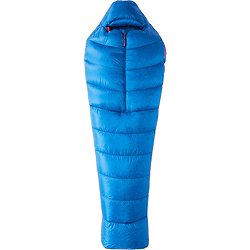
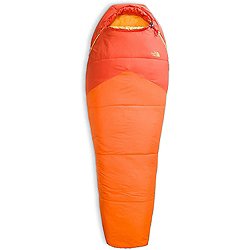
Mummy-style sleeping bags are designed to fit closely around the body, which helps to retain heat more effectively than traditional rectangular bags. This design minimizes cold spots and maximizes warmth, making them a great choice for cooler temperatures. Additionally, their streamlined shape makes them lighter and more compact for easy packing.
Yes, a 30 degree sleeping bag can be an excellent choice for backpacking, especially during mild weather conditions. Its lightweight and compact design makes it easy to carry, while providing adequate warmth for cooler nights. However, it's important to consider the specific climate and altitude of your backpacking destination to ensure comfort.
When selecting a 30 degree sleeping bag, consider features such as insulation type, weight, packability, and zipper design. Look for a bag with a draft collar or draft tube to help retain heat, as well as a water-resistant shell for added protection. Additionally, check for features like pockets or a hood for extra comfort and convenience.
Yes, 30 degree sleeping bags are suitable for family camping trips, particularly during warmer months or in milder climates. They provide a comfortable sleeping option for adults and older children, ensuring a good night's sleep. However, for younger children or in colder conditions, you may want to consider bags with lower temperature ratings for added warmth.
Continue browsing



 (6)
(6)