â
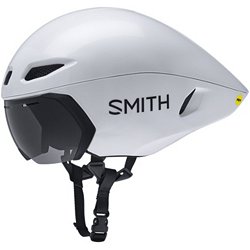
Discover the ultimate protection with our selection of Smith bike helmets, designed for both safety and style. Engineered with advanced impact-resistant materials, these helmets offer superior durability and comfort for all your cycling adventures. Featuring adjustable fit systems and ventilation for optimal airflow, you can enjoy a secure and cool ride. Whether you're commuting or hitting the trails, our Smith bike helmets ensure you stay safe while looking great. Ride confidently knowing you have the best in head protection on your side.
 (8)
(8) When selecting a bike helmet, it's important to consider features such as safety certifications, fit and adjustability, ventilation, and weight. Look for helmets with MIPS technology, which can provide added protection against rotational forces during impacts. Additionally, consider the helmet's design and how it accommodates your riding style, whether it's for mountain biking or road cycling.
To find the right size for a bike helmet, measure the circumference of your head just above your eyebrows using a flexible measuring tape. Most helmets come with sizing charts that correlate head measurements to sizes. It's also important to try on the helmet to ensure a snug fit without being too tight, and check that it sits level on your head.
Bike helmets are typically made from a combination of materials designed for safety and comfort. The outer shell is often made from polycarbonate or fiberglass, which provides durability and impact resistance. The inner foam layer is usually made from expanded polystyrene (EPS), which absorbs shock during an impact, enhancing overall safety.
It is generally recommended to replace your bike helmet every three to five years, even if it hasn't been involved in an accident. Over time, the materials can degrade due to exposure to sunlight, sweat, and general wear and tear. Additionally, if you experience a significant impact while wearing your helmet, it should be replaced immediately, as it may no longer provide adequate protection.
There are various types of bike helmets designed for different riding styles, including road helmets, mountain bike helmets, and commuter helmets. Road helmets tend to be lightweight with aerodynamic designs, while mountain bike helmets often feature visors and additional coverage for off-road protection. Commuter helmets may include features like built-in lights or reflective materials for visibility.
Continue browsing