â
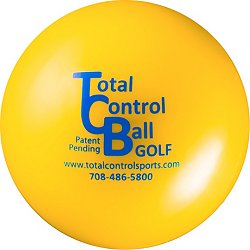
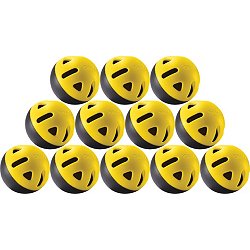
Enhance your practice sessions with our premium selection of soft foam golf balls. Designed for safety and performance, these lightweight balls provide a realistic feel while minimizing the risk of damage to surroundings. Perfect for indoor or outdoor use, they are ideal for honing your swing and improving your accuracy. Available in convenient packs, these foam golf balls ensure you have plenty on hand for extended practice. Elevate your game with these durable, high-impact options that make training enjoyable and effective.
Soft foam golf balls are primarily used for practice and training purposes. They provide a safe way to work on swing mechanics and short game skills without the risk of damage to property or injury. These lightweight balls are ideal for indoor or backyard use, allowing golfers to practice their shots in a controlled environment. Many players also use them for fun games or drills with friends and family.
Soft foam golf balls are designed primarily for practice and training, offering a safer alternative to traditional golf balls. They are lighter and softer, which reduces the risk of injury and damage to surroundings when hitting indoors or in confined spaces. While traditional golf balls are made for distance and performance on the course, foam balls focus on providing a realistic feel for swing practice without the same level of impact. This makes them ideal for beginners or those looking to refine their skills without the need for a full driving range.
Yes, soft foam golf balls are suitable for indoor use. Their lightweight and soft construction minimizes the risk of damage to walls, furniture, or other indoor surfaces, making them ideal for practicing your swing in confined spaces. Many people use these foam balls for drills and practice sessions without the need for a large outdoor area. They provide a safe way to enjoy the game while honing skills indoors.
Soft foam golf balls are ideal for practice as they provide a safe and effective way to improve your swing and technique without the risk of injury or damage to surroundings. Their lightweight design allows for realistic flight patterns while minimizing the impact on hard surfaces. Additionally, these foam balls are perfect for indoor or backyard use, making them versatile for various practice environments. Many players find that using foam balls helps build confidence and consistency in their game.
When choosing soft foam golf balls, consider your skill level and practice needs. Beginners may benefit from larger, brightly colored foam balls that are easier to track and hit, while more experienced players might prefer smaller, high-impact options that mimic the feel of traditional golf balls. Additionally, think about where you will be practicing; some foam balls are designed for indoor use, while others are suitable for outdoor practice. Selecting the right type can enhance your training experience and help improve your skills.
When selecting soft foam golf balls, consider features such as durability, which ensures they can withstand repeated use without losing shape. Look for lightweight designs that mimic the feel of traditional golf balls, making them suitable for practice. Additionally, consider the size and texture, as these can affect how they perform during practice sessions. Many options also offer bright colors for better visibility, enhancing your training experience.
Soft foam golf balls are versatile and can be used for various types of golf practice, including indoor and outdoor settings. They are ideal for honing your swing mechanics, improving your short game, and practicing putting without the risk of damaging property or injuring others. While they simulate the feel of a real golf ball, they are best suited for practice rather than competitive play. Many golfers find them helpful for developing skills in a safe and controlled environment.
Soft foam golf balls are typically made from lightweight, durable foam materials designed to provide a safe and effective practice experience. These materials allow for a soft feel upon impact, reducing the risk of damage to surroundings while still simulating the flight of a traditional golf ball. The foam is often engineered to withstand repeated use, making it suitable for various practice environments, including indoor and outdoor settings.
Soft foam golf balls are designed to provide a safe and effective way to practice swing techniques without the risk of injury or damage to surroundings. Their lightweight and soft construction allows players to focus on their form and mechanics, helping to develop a consistent swing. Additionally, these balls can be used in various settings, such as backyards or indoor spaces, making them versatile for practice. Overall, they serve as a useful tool for golfers looking to refine their skills in a controlled environment.
Soft foam golf balls typically come in a standard size that mimics the dimensions of traditional golf balls, making them suitable for practice and training. While the weight is generally consistent to ensure a realistic feel during use, some variations may exist in density or softness to cater to different practice environments. These differences can affect how the balls react when struck, providing options for various skill levels and preferences.
Continue browsing



 (1)