â
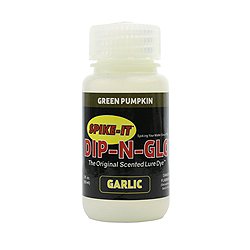
Transform your fishing experience with our premium soft plastic lure dye. Designed to enhance your lures, these vibrant dyes allow you to customize colors and create eye-catching patterns that attract more fish. Easy to apply and quick-drying, our dyes ensure long-lasting results, making your lures stand out in any water condition. Available in a variety of shades, you can mix and match to achieve the perfect hue for your fishing needs. Elevate your tackle box with our soft plastic lure dye and increase your chances of a successful catch.
Soft plastic lure dye is a specialized coloring agent designed to enhance the appearance of soft plastic fishing lures. It can be applied to lures to change their color or add attractive scents, making them more appealing to fish. Anglers often use these dyes to match the local forage or create a unique look that stands out in the water.
Yes, soft plastic lure dyes come in various types, including aerosol sprays and dip solutions. Each type offers different application methods and effects, allowing anglers to choose based on their preferences and the specific fishing conditions. Some dyes also include scents to further attract fish.
The longevity of soft plastic lure dye on lures can vary based on several factors, including the type of dye used and the conditions in which the lures are fished. Generally, dyes are designed to withstand multiple uses, but they may fade over time or wash off after extended exposure to water. Regular reapplication may be necessary for optimal effectiveness.
Yes, soft plastic lure dye can often be mixed with other products, such as scents or additional colorants, to create custom lure appearances. This versatility allows anglers to experiment and find the perfect combination that attracts fish in their specific fishing environment. However, it's important to test mixtures on a small scale to ensure compatibility.
Many soft plastic lure dyes are formulated to be safe for the environment, but it's essential to check the product specifications and labels for any environmental impact information. Responsible use includes avoiding over-application and ensuring that any excess dye does not contaminate water sources. Always follow local regulations regarding fishing and bait use.
Continue browsing