â
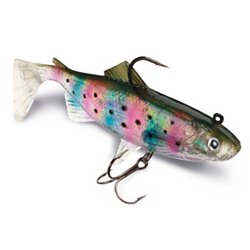
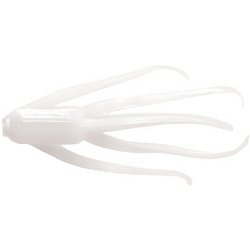
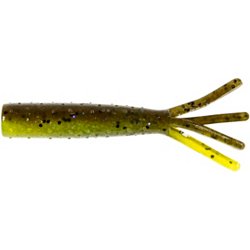
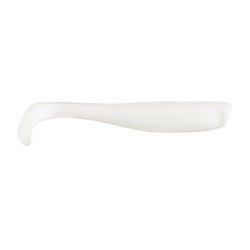
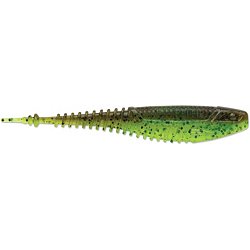
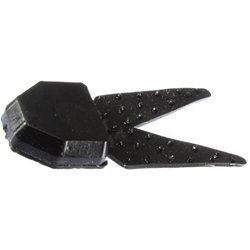
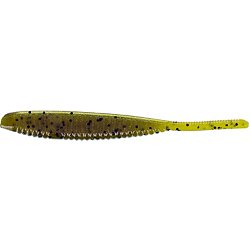
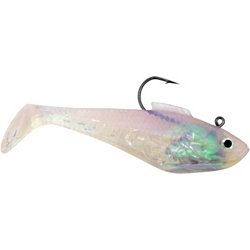
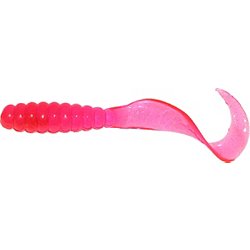
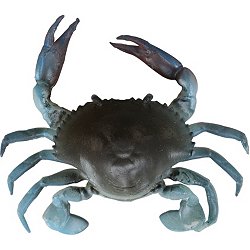
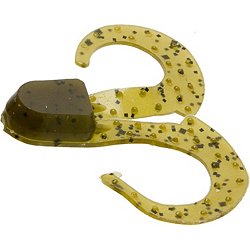
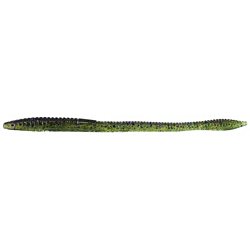
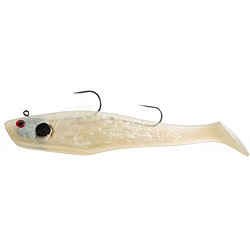
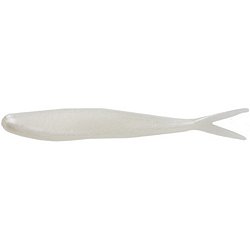
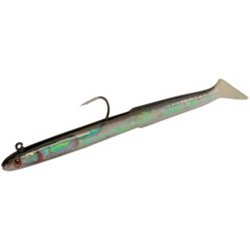
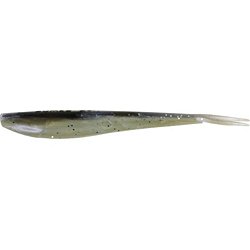
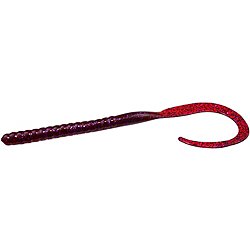
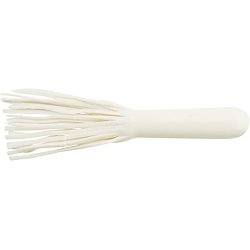
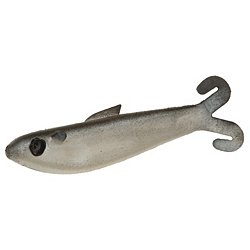
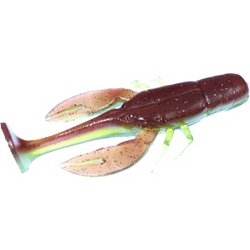
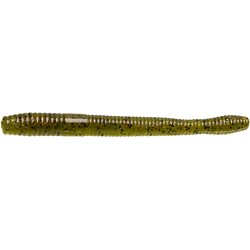
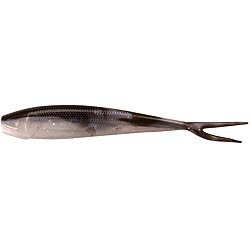
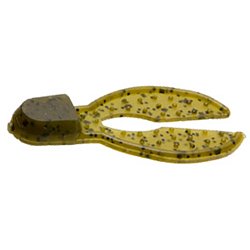
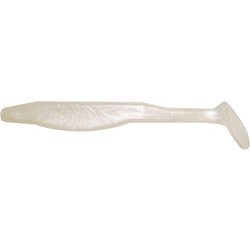
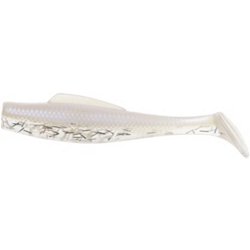
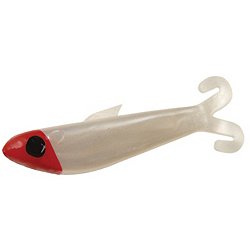
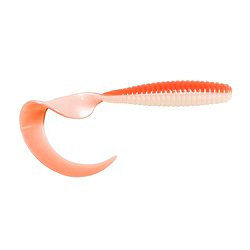
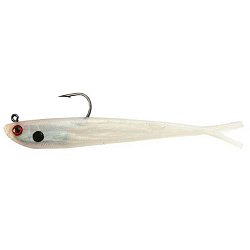
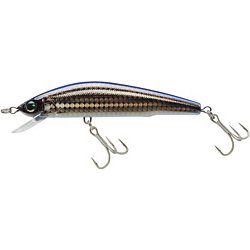
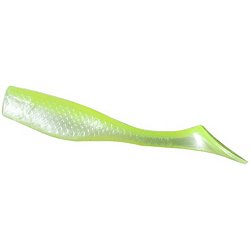
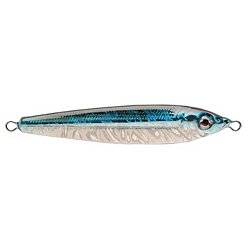
Explore our extensive collection of soft plastics for fishing, designed to enhance your angling experience. These versatile lures mimic the natural movement of bait, attracting a variety of fish species. Crafted from durable materials, our soft plastics offer exceptional flexibility and lifelike action in the water. Whether you're targeting freshwater or saltwater fish, you'll find the perfect shapes and colors to increase your chances of a successful catch. Equip yourself with these essential tools and elevate your fishing game to new heights.
Soft plastics for fishing are artificial lures made from flexible materials designed to mimic the appearance and movement of live bait. They are often used to attract various species of fish by imitating the natural swimming action of prey. The soft texture allows for realistic movement in the water, making them effective in enticing fish to bite.
Soft plastics are versatile lures that can be used to catch a wide range of fish species, including bass, trout, walleye, and panfish. Their ability to mimic the movement of live bait makes them appealing to both freshwater and saltwater fish. Anglers often choose specific shapes and colors of soft plastics based on the target species and fishing conditions.
Choosing the right soft plastic involves considering factors such as the type of fish you are targeting, the water conditions, and the time of year. Different shapes, sizes, and colors can be more effective depending on these variables. It's also helpful to consider the presentation style, such as whether you will be using a jig head or Texas rigging.
Soft plastics offer several advantages over traditional bait, including durability, ease of use, and versatility. They can be reused multiple times, reducing the need for constant replenishment. Additionally, soft plastics come in various shapes and colors, allowing anglers to adapt to different fishing conditions and preferences.
Yes, effective techniques for using soft plastics include various retrieval methods such as twitching, dragging, or hopping them along the bottom. The choice of technique often depends on the species being targeted and the environment. Experimenting with different presentations can help determine what works best in a given situation.
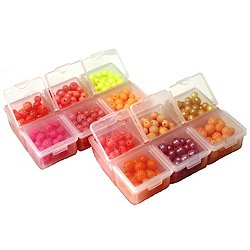
When storing soft plastics, it's important to keep them in a cool, dry place away from direct sunlight to prevent deterioration. Using tackle boxes or bags that prevent them from sticking together can help maintain their shape and effectiveness. Additionally, keeping them organized by type and color can make it easier to select the right lure when you're out fishing.
Continue browsing


 (74)
(74)