â
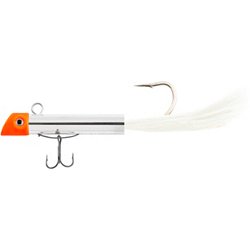
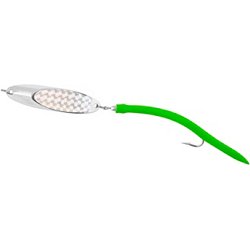
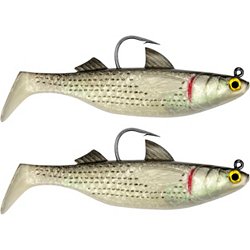
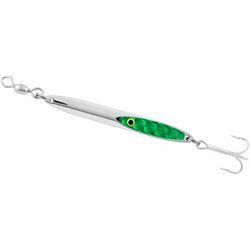
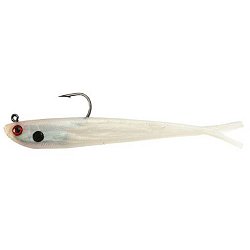
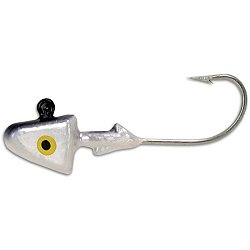
Explore our premium selection of tuna jigs, designed to enhance your fishing experience. Crafted for durability and performance, these jigs feature vibrant colors and realistic movements that attract tuna and other game fish. With various weights and styles available, you can easily find the perfect jig for any fishing condition. Whether you're casting from a boat or shore, our tuna jigs ensure optimal action and effectiveness. Gear up for your next fishing adventure and increase your chances of a successful catch with our top-quality jigs.
A tuna jig is a type of fishing lure specifically designed to attract tuna and other large game fish. These jigs are typically made from metal and feature a streamlined shape that allows them to sink quickly and mimic the movement of prey in the water. Anglers use tuna jigs by casting them out and retrieving them with a jerking motion, which creates an enticing action that can provoke strikes from tuna. They are often used in deep-sea fishing and can be effective in various water conditions.
There are various types of tuna jigs designed to cater to different fishing techniques and conditions. These jigs can vary in weight, shape, and material, allowing anglers to target tuna at various depths and in different water conditions. Some jigs are designed for casting, while others are better suited for vertical jigging. Additionally, certain jigs may feature unique designs or colors to attract tuna effectively.
Tuna jigs are typically constructed from materials that provide durability and weight for effective casting and sinking. Common materials include metal, such as lead or zinc, which helps the jig reach deeper waters quickly. Additionally, some jigs may feature plastic or rubber components for added attraction and movement in the water. The combination of these materials allows for a variety of designs and finishes to appeal to tuna and other game fish.
Choosing the right size of tuna jig depends on several factors, including the type of tuna you are targeting, the depth of the water, and the current conditions. Generally, larger jigs are more effective in deeper waters or when targeting larger species, while smaller jigs can be suitable for shallower areas or smaller fish. Additionally, consider the weight of the jig, as heavier options can help you reach the desired depth more quickly. It's also helpful to match the jig size to the baitfish in the area to increase your chances of success.
When selecting a high-quality tuna jig, consider the weight and size, as these factors can affect casting distance and depth. Look for jigs made from durable materials that can withstand the rigors of saltwater fishing. Additionally, features like a realistic design and vibrant colors can enhance visibility and attract tuna. Finally, consider the jig's action in the water, as this can influence how effectively it mimics the movement of prey.
When selecting tuna jigs, certain colors and patterns can be more effective depending on the fishing conditions and the species of tuna being targeted. Bright colors like pink, blue, and green are often favored for their visibility in deep water, while natural patterns that mimic baitfish can also attract tuna. Additionally, reflective finishes can enhance visibility and entice strikes in various light conditions. Experimenting with different colors and patterns can help determine what works best for your specific fishing environment.
The best time of year to use tuna jigs for fishing typically aligns with the warmer months when tuna are more active and feeding. This often includes late spring through early fall, depending on the specific region and water temperatures. During this period, tuna are more likely to be found near the surface, making jigs an effective choice for targeting them. Additionally, monitoring local fishing reports can help identify peak times for tuna activity in your area.
Tuna jigs are specifically designed to target tuna and other large pelagic fish, distinguishing them from other fishing lures that may be aimed at freshwater species or smaller saltwater fish. They typically feature a heavier weight and a streamlined shape, allowing them to sink quickly and mimic the movement of baitfish in deeper waters. Many tuna jigs also incorporate vibrant colors and reflective finishes to attract fish in various lighting conditions. Additionally, their construction often includes durable materials to withstand the rigors of saltwater fishing.
When using tuna jigs for fishing, effective techniques include vertical jigging and casting. Vertical jigging involves dropping the jig straight down to the desired depth and then rapidly retrieving it with a series of jerks to mimic the movement of prey. Casting can be effective when targeting surface-feeding tuna, where the jig is thrown out and retrieved with a steady or erratic motion to attract attention. Experimenting with different retrieval speeds and patterns can help determine what works best for the specific conditions and tuna behavior.
To ensure the durability of your tuna jigs during use, it's important to handle them with care and avoid excessive force when casting or retrieving. Regularly inspect the jigs for any signs of wear or damage, such as bent hooks or chipped paint, and replace them as needed. Additionally, storing them properly in a tackle box can help prevent them from getting tangled or damaged when not in use. Using jigs made from high-quality materials can also enhance their longevity in challenging fishing conditions.
Continue browsing