â
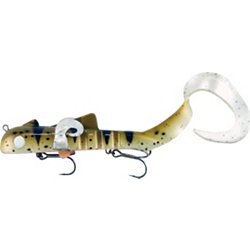
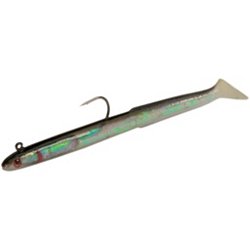
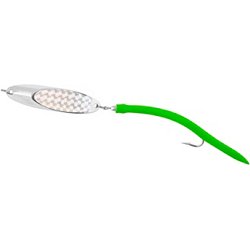
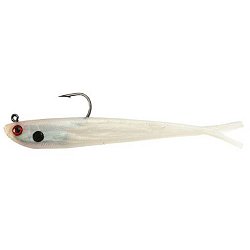
Explore our premium selection of eel jigs, designed to enhance your fishing experience. Crafted with lifelike details and vibrant colors, these jigs effectively mimic the natural movement of eels, attracting a variety of fish. Whether you're fishing in freshwater or saltwater, our durable and versatile jigs ensure optimal performance in any condition. With options available in multiple sizes and pack quantities, you'll find the perfect eel jig to suit your fishing needs. Gear up and get ready for a successful catch with our top-quality eel jigs.
Eel jigs are specialized fishing lures designed to mimic the appearance and movement of eels, which are a common prey for various fish species. These jigs typically feature a weighted body and a realistic finish to attract fish in both freshwater and saltwater environments. Anglers use eel jigs by casting them into the water and retrieving them with a steady motion, imitating the natural swimming action of eels to entice predatory fish. They are particularly effective for targeting species that feed on eels, making them a popular choice among anglers.
Eel jigs are versatile lures that can attract a variety of fish species. They are commonly used to catch saltwater fish such as striped bass, bluefish, and fluke. Additionally, these jigs can be effective for targeting other predatory fish that are drawn to the movement and appearance of eels in the water. Anglers often use them in both inshore and offshore fishing environments.
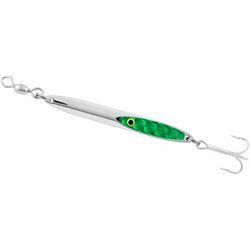
Eel jigs are typically made from a variety of materials designed to enhance their effectiveness in attracting fish. Common materials include durable metals for the jig body, which provide weight and stability in the water. Additionally, soft plastics are often used for the eel-like appearance, mimicking the natural movement of eels. Some jigs may also incorporate holographic finishes or reflective elements to increase visibility and appeal to predatory fish.
Choosing the right size of eel jig depends on several factors, including the type of fish you are targeting, the water conditions, and the specific fishing techniques you plan to use. Generally, larger jigs are suitable for deeper waters and bigger fish, while smaller jigs can be more effective in shallower areas or for catching smaller species. Additionally, consider the current and depth of the water, as these elements can influence the size and weight of the jig needed for optimal performance.
When selecting a high-quality eel jig, consider the material and construction, as these factors influence durability and performance in the water. Look for jigs that have realistic colors and patterns to mimic the appearance of natural eels, which can attract more fish. Additionally, features like weighted bodies can enhance casting distance and stability, while sharp hooks ensure better catch rates. Finally, consider the size and shape of the jig, as these can affect how it moves through the water and its effectiveness in different fishing conditions.
To use eel jigs effectively, anglers often employ a slow, steady retrieve to mimic the natural movement of eels in the water. Varying the speed and incorporating occasional pauses can help trigger strikes from predatory fish. Additionally, fishing near structures or in areas where eels are known to inhabit can increase the chances of success. Experimenting with different depths and water conditions can also enhance your effectiveness when using these lures.
Eel jigs come in various styles that cater to different fishing techniques and environments. Some are designed with a soft bait material that mimics the natural movement of eels, while others feature a hard body with holographic finishes to attract fish through visual appeal. The size and weight of the jigs can also vary, affecting their sinking speed and how they are presented in the water. Additionally, some styles may be more suited for saltwater fishing, while others can be effective in freshwater settings.
The best time of year to use eel jigs for fishing typically aligns with the seasonal migration patterns of fish species that prey on eels. Many anglers find success during the warmer months when fish are more active and feeding. Additionally, early spring and late fall can also be productive times, especially in areas where eels are prevalent. Observing local fishing reports and conditions can help determine the optimal timing for using eel jigs.
Eel jigs are designed to mimic the appearance and movement of eels, making them effective for targeting various saltwater species. Unlike other fishing lures that may imitate different baitfish or insects, eel jigs often feature a slender, elongated shape and can be made from materials that enhance their action in the water. They are particularly useful in deeper waters or during specific seasons when eels are prevalent in the ecosystem. Many anglers appreciate their versatility and effectiveness in attracting fish that are drawn to the natural movement of eels.
The durability of eel jigs can be influenced by several factors, including the materials used in their construction, the type of fishing environment, and the frequency of use. High-quality materials tend to withstand wear and tear better, while exposure to saltwater, rocks, and other abrasive surfaces can lead to quicker degradation. Additionally, how the jigs are stored and maintained when not in use can also impact their longevity. Regular inspection for signs of damage can help ensure they remain effective over time.
Continue browsing