â
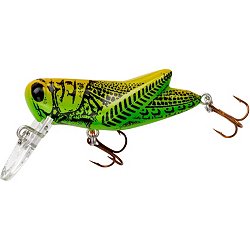
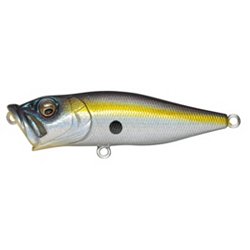
Discover the ultimate selection of twitching lures designed to entice fish with realistic movements and lifelike appearances. These suspending baits are perfect for mimicking injured prey, making them irresistible to a variety of species. Crafted with precision, our twitching lures feature durable materials and innovative designs that enhance your fishing experience. Whether you're casting in freshwater or saltwater, these versatile lures provide the action needed to attract bites. Elevate your tackle box with our high-performance twitching lures and enjoy successful fishing trips every time.
 (46)
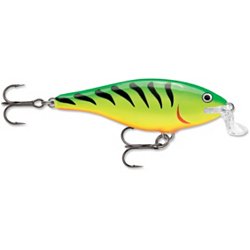
A twitching lure is a type of fishing lure designed to mimic the erratic movements of injured or distressed baitfish. These lures typically feature a suspending design, allowing them to remain in the strike zone longer while creating a natural, enticing action when twitched or jerked. Anglers use these lures by imparting quick, sharp movements to simulate the behavior of prey, attracting predatory fish. The combination of realistic appearance and movement makes twitching lures effective for various fishing conditions.
Twitching lures are effective for targeting a variety of freshwater and saltwater species. Anglers often use them to catch fish such as bass, trout, and pike in freshwater environments. In saltwater, species like redfish, snook, and striped bass are commonly pursued with these lures. The erratic movement of twitching lures mimics injured prey, making them appealing to predatory fish.
When selecting a twitching lure, consider the design and action of the lure, as these factors influence how it mimics the movement of prey. Look for features such as a suspending capability, which allows the lure to remain in the strike zone longer, and a realistic finish that enhances visibility in the water. Additionally, the size and shape should match the local forage to increase effectiveness. Finally, consider the weight and buoyancy, as these will affect how the lure performs during retrieval.
Choosing the right size twitching lure depends on several factors, including the type of fish you are targeting, the water conditions, and the specific fishing technique you plan to use. Generally, larger lures can attract bigger fish, while smaller lures may be more effective for catching smaller species. Additionally, consider the depth of the water and the activity level of the fish; in shallower or calmer waters, smaller lures may perform better. Experimenting with different sizes can help you determine what works best for your fishing situation.
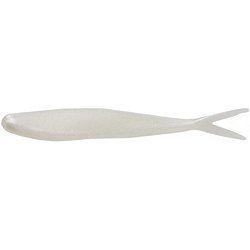
Twitching lures are typically constructed from durable materials such as plastic and metal, which help them maintain their shape and buoyancy in water. Many lures also feature a variety of finishes, including painted or reflective surfaces, to enhance their visibility and attract fish. Additionally, some models may incorporate soft rubber or silicone components to mimic the movement of live bait. These materials work together to create realistic action and appeal to a wide range of fish species.
Yes, there are several techniques for using twitching lures effectively. A common method involves a series of quick, sharp twitches followed by pauses, mimicking the erratic movement of injured prey. Varying the speed and rhythm of your retrieves can also help trigger strikes, as fish may respond differently to different presentations. Additionally, fishing near structures or in areas with cover can increase your chances of attracting fish, as these spots often serve as ambush points.
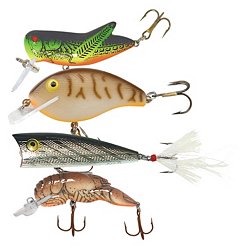
Twitching lures come in various styles, each designed to mimic different types of prey and fishing conditions. Some are suspending lures that remain in the water column, allowing for a more natural presentation, while others may have a sinking or floating design that can be used to target specific depths. The shape and action of the lure can also vary, with some featuring a more erratic movement to entice predatory fish, while others may have a subtle wobble. Understanding these differences can help anglers choose the right lure for their fishing technique and target species.
Seasonal changes can significantly impact the effectiveness of twitching lures. During warmer months, fish are often more active and may respond better to the erratic movements of twitching lures, mimicking injured prey. In cooler months, fish may become less aggressive, requiring a slower presentation or different retrieval techniques to entice bites. Additionally, water temperature and clarity can influence fish behavior, making it essential to adjust your approach based on the season.
When selecting colors for twitching lures, consider the water clarity and the natural prey in the area. In clear water, more natural and subtle colors often work well, while brighter or more vibrant colors can be effective in murky conditions. Additionally, the time of day can influence color choice; for instance, darker colors may be more effective in low light, while lighter colors can attract fish during bright conditions. Matching the lure color to the local baitfish can also enhance your chances of success.
Twitching lures are generally designed to withstand the rigors of fishing, but their durability can vary based on materials and construction. Factors that can affect their lifespan include exposure to saltwater, rough handling, and the frequency of use. Additionally, the type of fish being targeted and the fishing environment can contribute to wear and tear. Proper care and storage can help extend the life of these lures.
Continue browsing