â
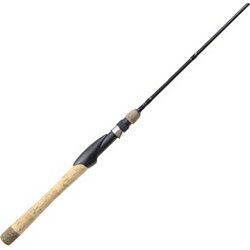
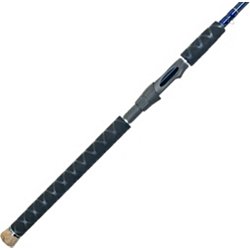
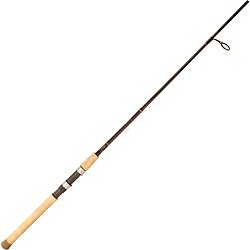
Discover the perfect ultralight spinning rod for your fishing adventures. Designed for precision and sensitivity, these rods offer exceptional performance while minimizing weight for easy handling. Ideal for targeting smaller species, they provide the finesse needed for a successful catch. Crafted from durable materials, our ultralight spinning rods ensure longevity and reliability on the water. Whether you're a seasoned angler or a beginner, these rods enhance your fishing experience with superior control and responsiveness, making every cast count.
Ultralight spinning rods are designed for finesse fishing, allowing anglers to target smaller species with precision. Their lightweight construction enhances sensitivity, making it easier to detect subtle bites. Additionally, these rods provide a more enjoyable experience when casting lighter lures, as they reduce fatigue during long fishing sessions.
Ultralight spinning rods are typically made from materials like graphite or composite blends, which offer a balance of strength and sensitivity. Graphite rods are favored for their lightweight properties and responsiveness, while composite rods may provide added durability. The choice of material can significantly impact the rod's performance and feel.
Ultralight spinning rods are ideal for freshwater fishing in streams, ponds, and lakes, particularly when targeting species like panfish, trout, or bass. They excel in finesse techniques, such as drop shotting or using small jigs and lures. Their lightweight design also makes them suitable for light tackle saltwater applications, especially inshore fishing.
The length of an ultralight spinning rod can affect casting distance and accuracy. Shorter rods, typically around 5 to 6 feet, offer better control and are great for tight spaces, while longer rods, up to 7 feet, can provide increased casting distance. Consider your fishing environment and target species when selecting the appropriate length.
Ultralight spinning rods usually feature a fast or moderate action, which refers to how much of the rod bends during a cast. Fast action rods bend primarily at the tip, providing quick response and sensitivity, while moderate action rods offer a more gradual bend throughout the rod. The action affects casting distance, lure presentation, and the ability to set the hook effectively.
Continue browsing