â
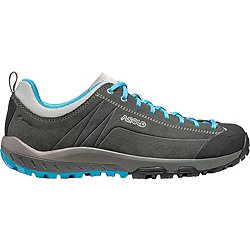
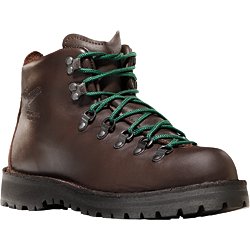
Our Vasque Talus Ultradry Boots sold out quickly! Explore similar styles now!
When selecting waterproof boots, consider features such as a breathable membrane that keeps moisture out while allowing sweat to escape. Look for durable materials that can withstand various weather conditions and rugged terrains. Additionally, a good grip on the outsole is essential for traction on slippery surfaces.
Choosing the right size for hiking boots is crucial for comfort and performance. It's recommended to try on boots with the socks you plan to wear during hikes, ensuring there’s enough room for your toes to move. Pay attention to the fit around the heel and arch, as a snug fit can prevent blisters and discomfort on longer treks.
Hiking boots are typically made from a combination of leather, synthetic fabrics, and rubber. Leather offers durability and water resistance, while synthetic materials can provide lightweight comfort and breathability. Rubber is often used for the outsole to enhance traction and durability on various terrains.
The best type of hiking boots for different terrains varies based on the conditions you’ll encounter. For rocky and uneven trails, sturdy boots with good ankle support are ideal. Lightweight, breathable options are better suited for well-maintained paths or warmer weather, while insulated boots are recommended for cold, snowy environments.
To ensure your boots provide good ankle support, look for models that have a higher cut around the ankle. This design helps stabilize your foot and prevent rolling on uneven surfaces. Additionally, consider trying on boots that feature adjustable lacing systems, which can help customize the fit for better support.
Traction is a critical feature in hiking boots as it affects your stability and safety on various surfaces. A good outsole with a deep tread pattern enhances grip on slippery, rocky, or uneven terrain. This is particularly important when navigating steep inclines or wet conditions, where slipping can lead to injuries.
Continue browsing