â
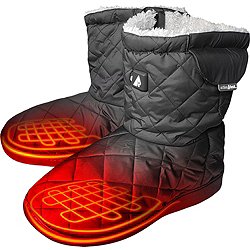
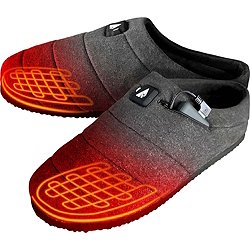
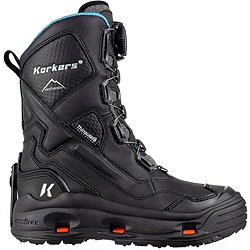
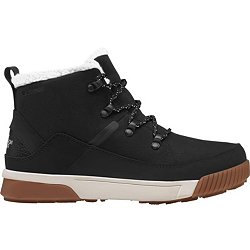
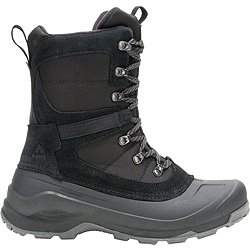
Stay warm and stylish this season with our collection of winter thermal shoes. Designed to provide superior insulation and comfort, these shoes feature advanced materials that keep your feet cozy in cold conditions. With waterproof options and slip-resistant soles, you can confidently tackle winter weather while maintaining traction and stability. Whether for outdoor adventures or everyday wear, our winter thermal shoes combine functionality with fashionable designs. Step into winter ready to embrace the chill without sacrificing comfort or style.
When selecting winter thermal shoes, consider features such as insulation for warmth, waterproof materials to keep your feet dry, and a durable outsole for traction on slippery surfaces. Additionally, look for shoes with a comfortable fit and good arch support to ensure all-day wear during cold weather activities.
Winter thermal shoes are typically made from a combination of waterproof materials, such as rubber or synthetic fabrics, and insulating materials like fleece or down. These materials work together to provide warmth, comfort, and protection against the elements, ensuring your feet stay cozy and dry in cold conditions.
Yes, winter thermal shoes are designed to provide warmth and traction, making them suitable for various outdoor activities such as hiking, walking, or casual outings in snowy conditions. It's important to choose a pair that offers the right level of insulation and grip based on the specific activities you plan to engage in.
To find the right size for winter thermal shoes, it's best to measure your foot and refer to the sizing chart provided by the manufacturer. Keep in mind that winter shoes may require a bit more room to accommodate thicker socks, so consider trying on shoes with the type of socks you plan to wear during colder months.
Insulated winter thermal shoes are designed with materials that trap heat, providing extra warmth for cold weather, while non-insulated options may be more breathable and suitable for milder conditions. Choosing between the two depends on the climate you live in and the activities you plan to do, as insulated shoes are ideal for extreme cold, whereas non-insulated shoes may be better for transitional seasons.
Continue browsing



 (7)
(7)