â
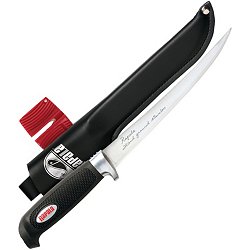
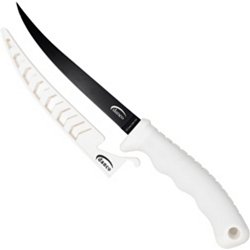
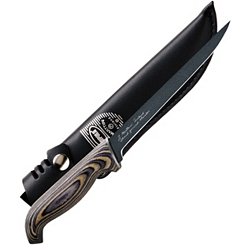
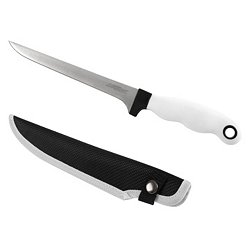
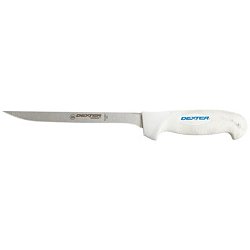
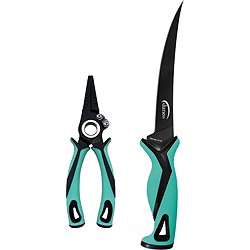
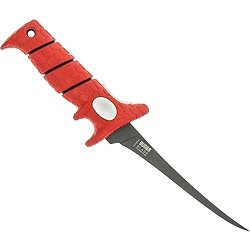
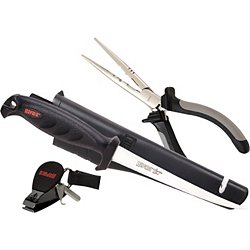
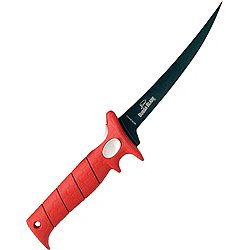
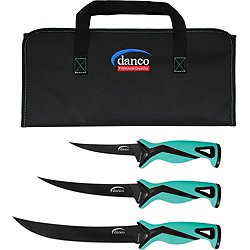
Find the best fillet knife for fish to enhance your fishing experience. Our selection features knives designed with flexible, razor-sharp blades that effortlessly glide through fish, ensuring clean and precise cuts. Ergonomic handles provide a comfortable grip, allowing for extended use without fatigue. Whether you're a seasoned angler or a casual fisherman, these knives offer durability and performance for all your filleting needs. Equip yourself with the right tools to make fish preparation easier and more enjoyable.
When selecting the best fillet knife for fish, consider the blade material, length, and flexibility. High-quality stainless steel blades offer durability and resistance to corrosion, while a flexible blade can help you navigate around bones easily. Additionally, a comfortable grip is essential for extended use, ensuring you maintain control while filleting.
The ideal blade length for a fillet knife typically ranges from 6 to 9 inches, depending on the size of the fish you are filleting. Shorter blades are better for smaller fish, providing precision, while longer blades are suitable for larger species, allowing for smoother cuts. Ultimately, the right length will depend on your personal preference and the types of fish you commonly catch.
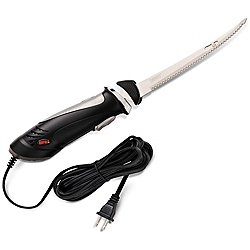
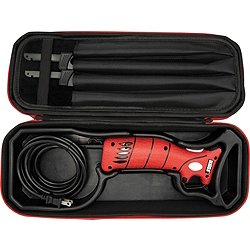
Electric fillet knives can be a worthwhile investment for those who frequently fillet large quantities of fish. They offer speed and efficiency, reducing the time and effort required compared to manual knives. However, it's important to consider your specific needs and whether you prefer the control and precision of a traditional knife over the convenience of an electric option.
The best material for a fillet knife blade is typically high-carbon stainless steel, which combines sharpness, durability, and resistance to rust. This type of steel maintains its edge well and is easy to sharpen. Additionally, consider the blade's thickness; a thinner blade allows for more flexibility and precision, which is crucial for filleting fish.
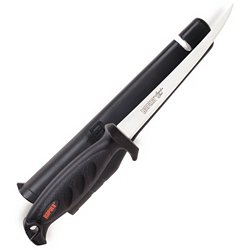
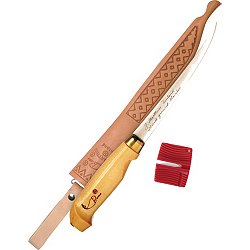
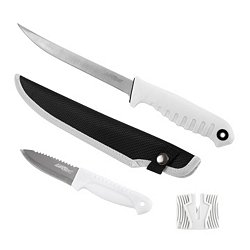
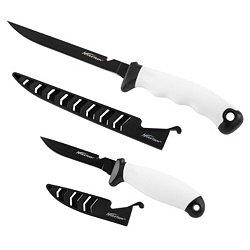
Using a fillet knife with a sheath provides added protection for both the blade and the user. A sheath helps to keep the blade sharp and prevents accidental cuts when storing or transporting the knife. Furthermore, it can enhance the longevity of the knife by protecting it from damage and exposure to moisture.
Continue browsing



 (15)
(15)