â
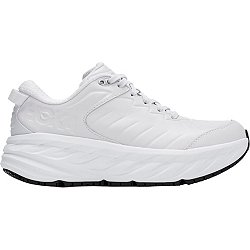
Discover the best running shoes for knee pain, designed to provide optimal support and cushioning for a comfortable stride. These shoes feature advanced shock absorption technology and stability enhancements to reduce impact on your joints. With breathable materials and ergonomic designs, they ensure a snug fit while promoting proper alignment. Whether you're a casual jogger or a dedicated runner, our selection prioritizes your comfort and performance, helping you stay active without the worry of knee discomfort. Step into a pain-free running experience today!
When searching for running shoes to alleviate knee pain, prioritize features such as cushioning, arch support, and stability. Look for shoes that provide ample shock absorption to reduce impact on your joints. Additionally, a supportive fit can help maintain proper alignment while running, which is crucial for minimizing discomfort.
Yes, running shoes designed for knee pain often incorporate materials that enhance cushioning and support. Look for shoes with EVA foam or gel inserts, as these materials can provide excellent shock absorption. Breathable mesh uppers can also improve comfort, helping to keep your feet cool during runs.
The fit of running shoes is extremely important for individuals with knee pain. A proper fit ensures that your foot is securely held in place, which can help prevent unnecessary movement that may exacerbate pain. It's essential to try on shoes and consider factors like width and arch height to find the best fit for your unique foot shape.
Absolutely, the type of running shoe can significantly impact knee pain during exercise. Shoes designed with specific support features can help align your body properly and reduce strain on your knees. Choosing the right type of shoe based on your running style and foot mechanics is crucial for minimizing discomfort.
For individuals with knee pain, styles that offer maximum cushioning and support are often recommended. Stability shoes can help control overpronation, while neutral shoes may be suitable for those with a more natural gait. It's important to assess your running style and choose a shoe that complements your biomechanics.
Yes, replacing running shoes regularly is advisable, especially if you experience knee pain. Worn-out shoes lose their cushioning and support, which can lead to increased impact on your knees. A general guideline is to replace running shoes every 300 to 500 miles, but this can vary based on your running style and shoe type.
Continue browsing



 (1)
(1)